Pink Lemonade Blueberry – The Blueberry That’s Anything But Ordinary
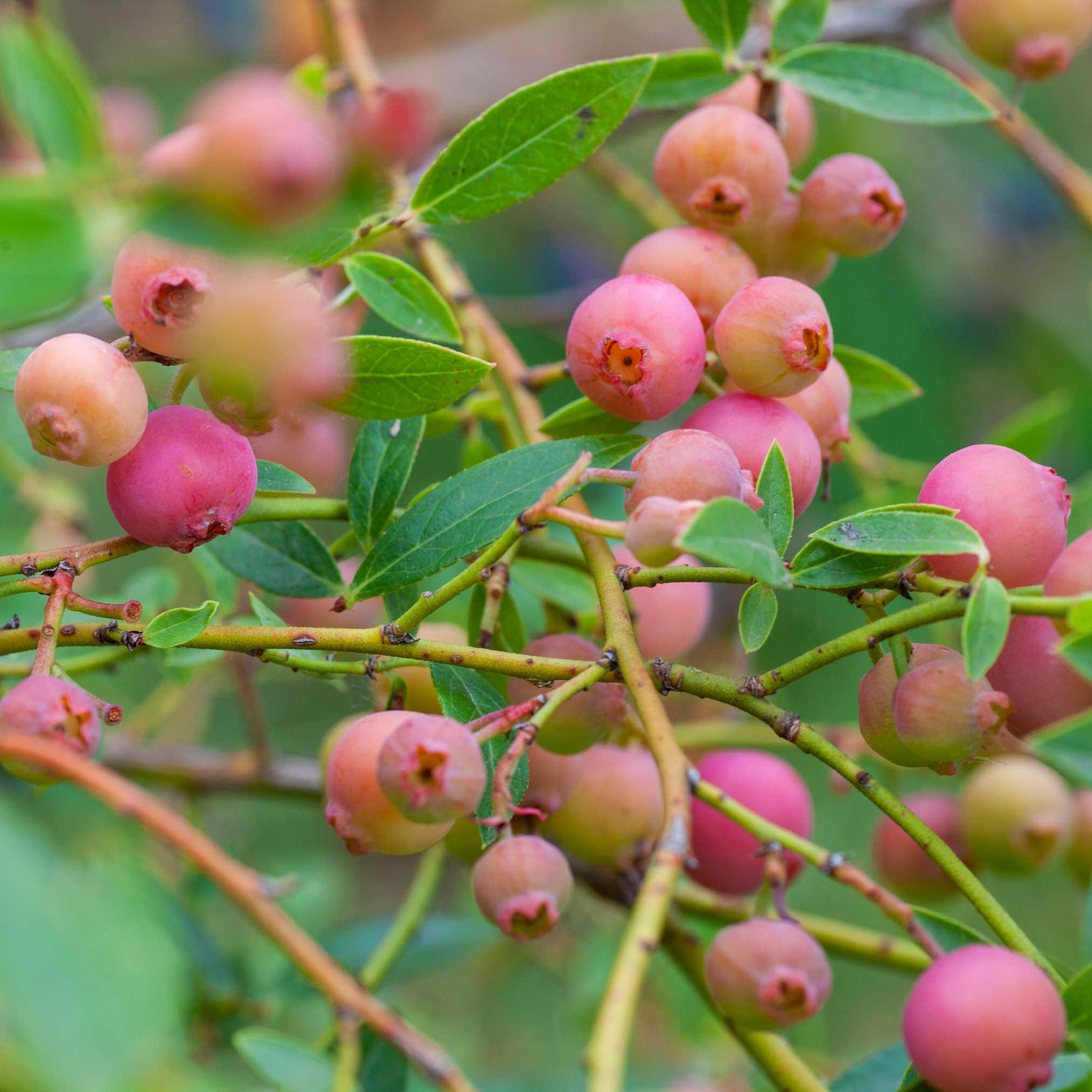
Meet the blueberry that stops people in their tracks. The Pink Lemonade Blueberry is a rare, ornamental-edible variety that produces clusters of stunning blush-pink to deep pink berries — a playful, eye-catching twist on the classic blueberry that tastes just as good as it looks.
Sweet, firm, and mildly tangy with a flavor reminiscent of pink lemonade, these berries are a hit for fresh eating, baking, and as a conversation-starting centerpiece in any edible landscape. Available in singles and money-saving 2-Packs for better yields through cross-pollination.
Why You’ll Love the Pink Lemonade Blueberry
-
Uniquely Pink Berries: Blush-pink when ripe — a rare and striking alternative to standard blue varieties that’s guaranteed to turn heads
-
Sweet, Distinctive Flavor: Mild, sweet, and slightly tangy — often described as reminiscent of pink lemonade with a firm, satisfying texture
-
Four Seasons of Interest: White bell-shaped flowers in spring, colorful pink berries in summer, fiery red-orange foliage in fall, and attractive reddish stems through winter
-
Ornamental & Edible: Beautiful enough to anchor a landscape bed, productive enough to fill your kitchen — the best of both worlds
-
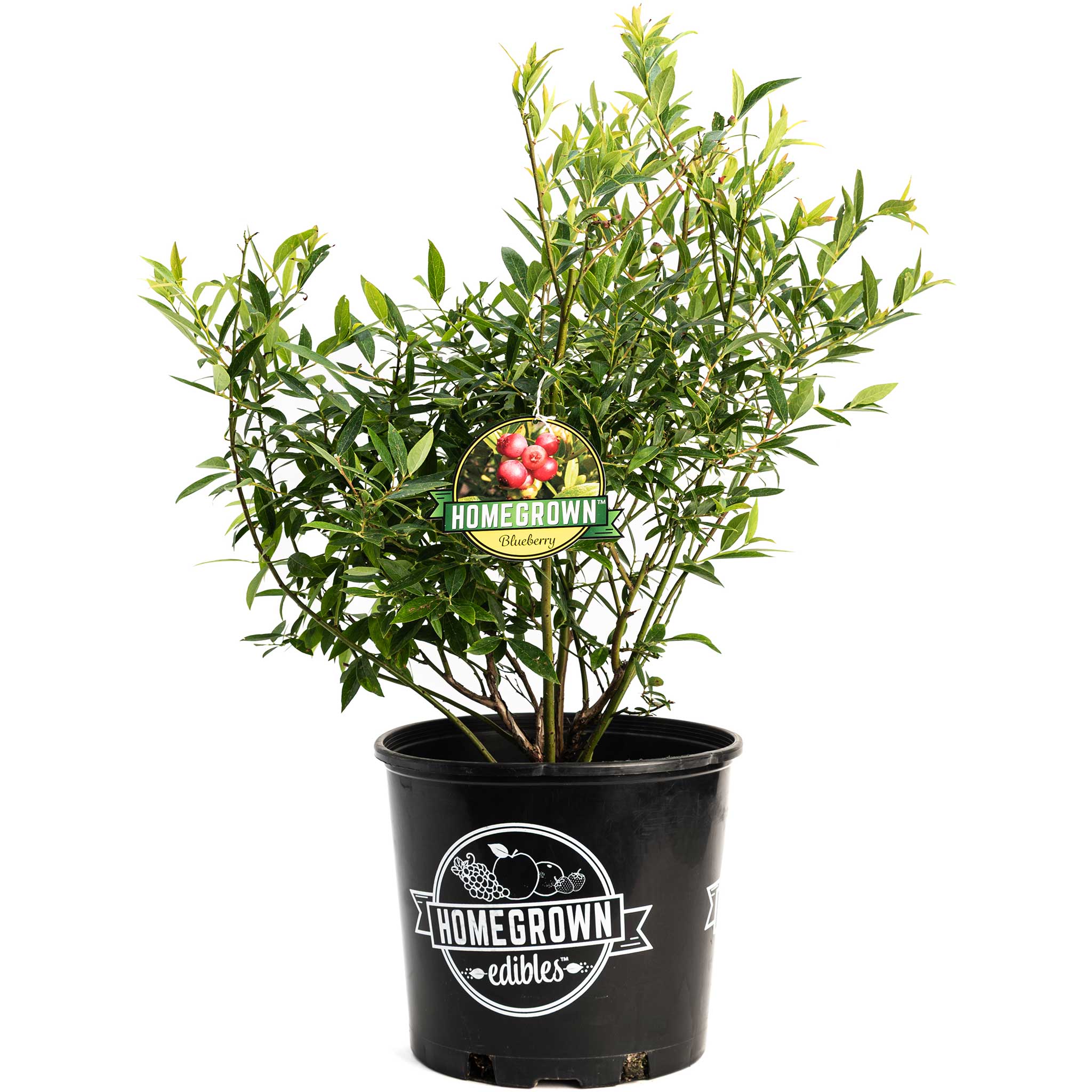
Compact & Container-Friendly: Manageable size makes it ideal for patios, raised beds, and mixed edible borders
-
Heavy Producer: Reliable, abundant crops of pink berries once established and properly cross-pollinated
Single vs. 2-Pack
Pink Lemonade Blueberry produces better with cross-pollination from another blueberry variety. Our 2-Pack gives you two Pink Lemonade plants — which cross-pollinate each other and significantly increase berry yield and cluster size compared to a single plant. For maximum production, you can also pair with a standard blueberry variety planted nearby.
Growing Zones & Care Guide
-
USDA Hardiness Zones: Zones 4–7. Pink Lemonade is a half-high blueberry type, combining the cold-hardiness of lowbush varieties with the productivity of highbush types — an excellent choice for northern gardens.
-
Sunlight: Full sun to partial shade. Full sun (6+ hours daily) produces the heaviest crops and best berry color. Partial shade is tolerated but reduces yield.
-
Watering: Keep soil consistently moist, especially during fruit development. Blueberries have shallow roots and dry out quickly — mulching around the base with wood chips or pine bark helps retain moisture and regulate soil temperature.
-
Soil: Acidic soil is essential — pH 4.5–5.5. This is the most critical factor for blueberry success. Test your soil before planting and amend with sulfur or peat moss if needed. Use an acidic blueberry potting mix for containers.
-
Fertilizing: Use an acid-forming fertilizer (formulated for blueberries, azaleas, or rhododendrons) in early spring and again after fruiting. Avoid standard balanced fertilizers, which can raise soil pH.
-
Pruning: Minimal pruning needed for the first 3 years. After establishment, remove old, unproductive canes at the base in late winter to encourage vigorous new fruiting wood.
-
Harvest Window: Mid-to-late summer (July–August). Berries are ripe when fully pink and slightly soft — taste-test before harvesting, as they sweeten significantly in the final days on the bush.
Pair It With a Classic Blueberry
Want to boost yields and extend your harvest? Our Duke Blueberry is one of the most productive and reliable early-season blueberries available — an excellent cross-pollinator for Pink Lemonade that also delivers abundant classic blue berries from mid-summer onward. Together, they make a beautiful and highly productive blueberry duo.
Rare, beautiful, and delicious — the Pink Lemonade Blueberry is the most talked-about plant in any garden it calls home.