Duke Blueberry – Early, Abundant & Built to Thrive
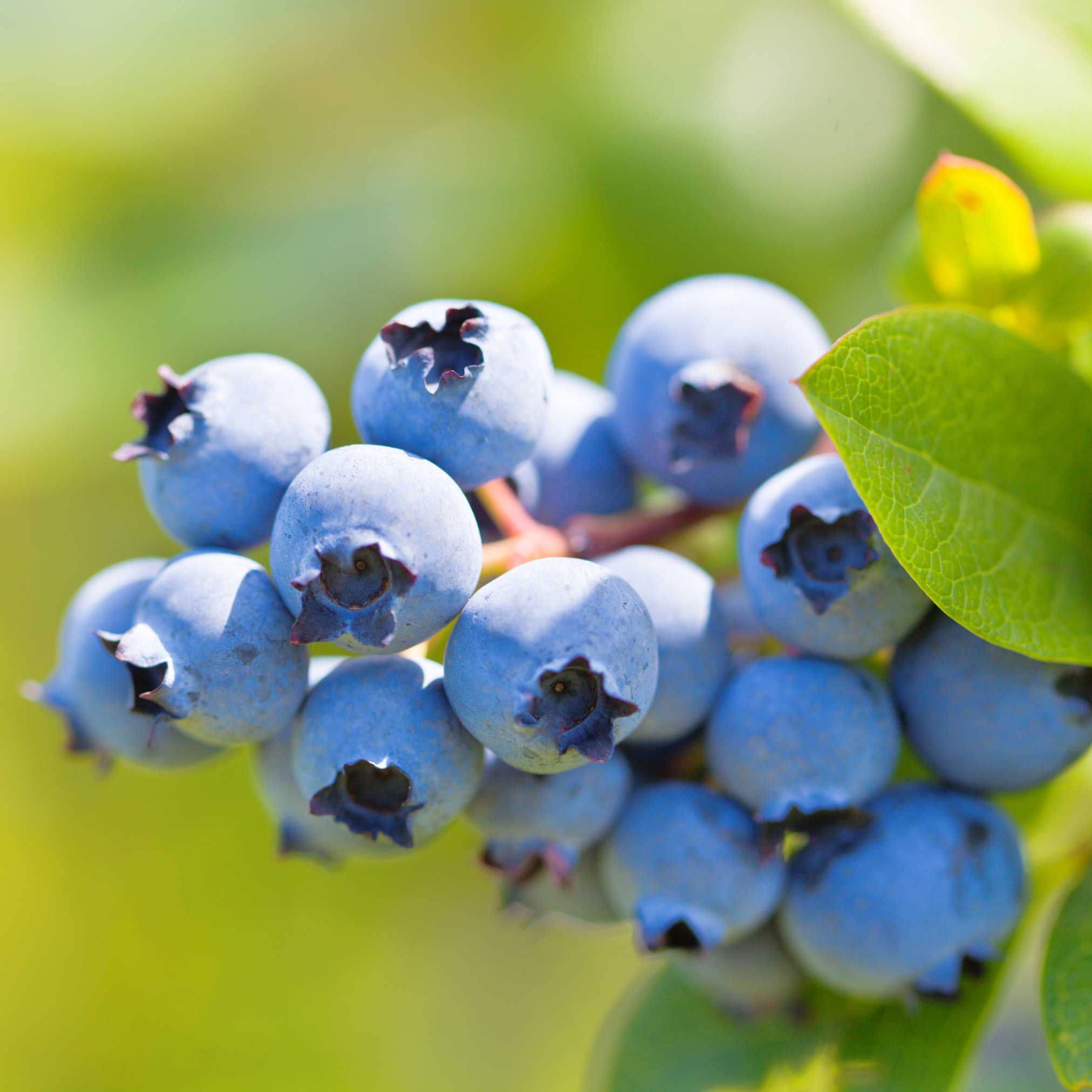
If you want blueberries before anyone else on the block, the Duke Blueberry is your answer. One of the most popular highbush blueberry varieties in North America, Duke is prized for its early ripening season, exceptional yields, and outstanding cold hardiness — a reliable, low-maintenance performer that delivers year after year.
Sweet, mild, and firm with a classic blueberry flavor, Duke berries are perfect for fresh eating, baking, freezing, and making jams. Available in 1 Gallon, 1–2 ft., and 2–3 ft. sizes, as well as money-saving 2-Packs for maximum yield through cross-pollination.
Why You’ll Love the Duke Blueberry
-
Early-Season Harvest: One of the first highbush blueberries to ripen each season — enjoy fresh berries in late June to early July while most varieties are still weeks away
-
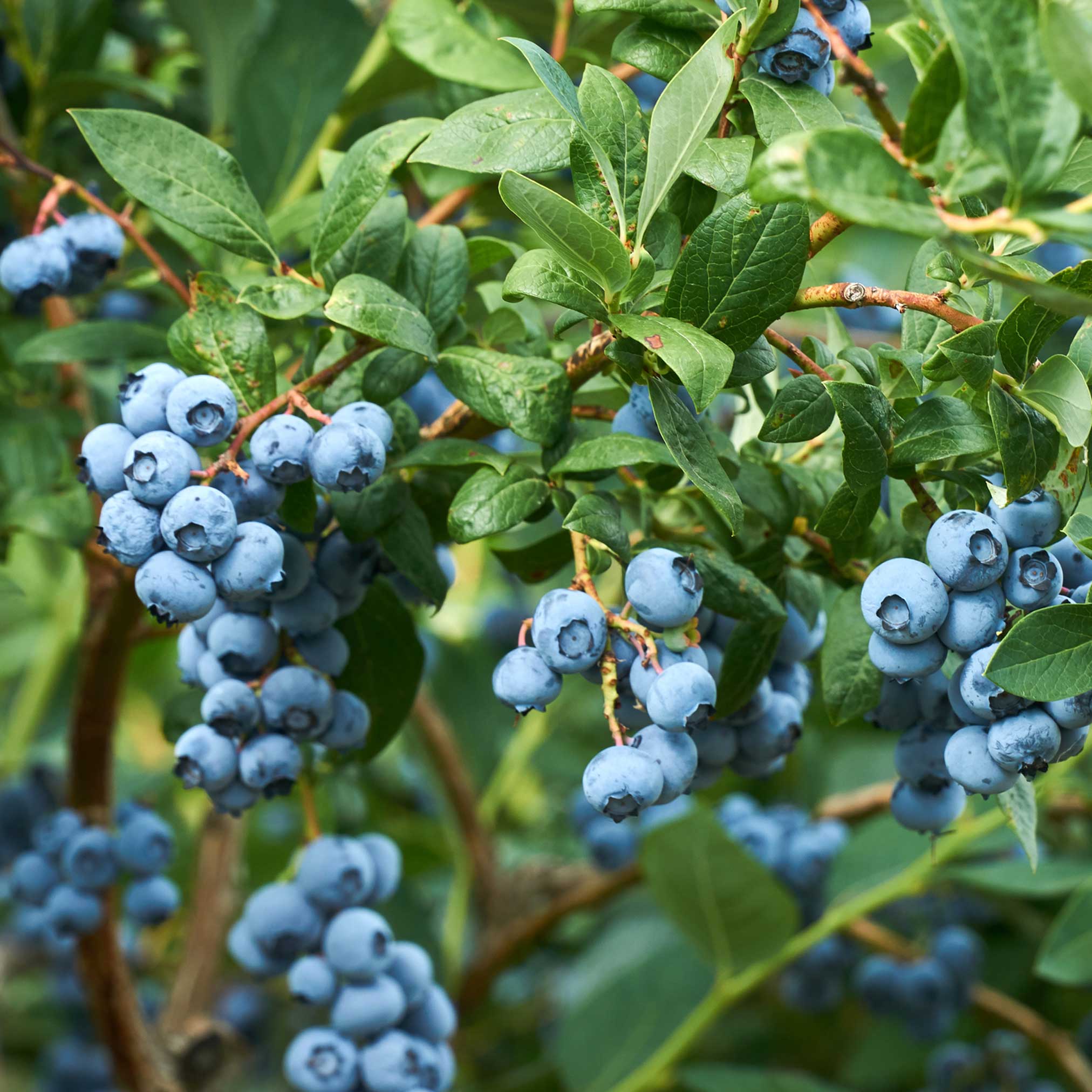
Exceptional Yields: Heavy, reliable crops of large, firm berries year after year — a consistent performer even in challenging conditions
-
Outstanding Cold Hardiness: Hardy to Zone 4 — one of the most cold-tolerant highbush blueberry varieties available
-
Sweet, Mild Flavor: Classic blueberry taste with a firm texture that holds up beautifully in baking, freezing, and fresh eating
-
Upright, Tidy Form: Naturally compact and upright growth habit — easy to manage in garden beds, raised beds, or large containers
-
Four Seasons of Beauty: White bell-shaped flowers in spring, abundant blue berries in summer, brilliant crimson foliage in fall, and attractive branching structure through winter
Single vs. 2-Pack
Blueberries produce significantly more fruit when cross-pollinated with another variety. While Duke can produce on its own, planting two or more blueberry bushes together — whether two Dukes or a Duke paired with another variety — dramatically increases berry size, yield, and consistency. Our 2-Pack is the best value for serious growers and the fastest path to abundant harvests.
Growing Zones & Care Guide
-
USDA Hardiness Zones: Zones 4–7. Duke is one of the hardiest highbush blueberry varieties, thriving across a wide range of cool-to-mild climates. It requires 800–1,000 chill hours (hours below 45°F) to break dormancy and fruit reliably.
-
Sunlight: Full sun — 6–8 hours of direct sunlight daily for best fruit production and berry size. Tolerates partial shade but with reduced yields.
-
Watering: Keep soil consistently moist, especially during fruit development. Blueberries have shallow roots and dry out quickly — mulching with wood chips or pine bark helps retain moisture and regulate soil temperature.
-
Soil: Acidic soil is essential — pH 4.5–5.5. This is the single most important factor for blueberry success. Test your soil before planting and amend with sulfur or peat moss if needed. Use an acidic blueberry potting mix for containers.
-
Fertilizing: Use an acid-forming fertilizer (formulated for blueberries, azaleas, or rhododendrons) in early spring and again after fruiting. Avoid standard balanced fertilizers, which can raise soil pH over time.
-
Pruning: Minimal pruning needed for the first 3–4 years. After establishment, remove old, unproductive canes at the base in late winter to encourage vigorous new fruiting wood. Duke’s upright habit makes it one of the easiest blueberries to prune.
-
Harvest Window: Late June through mid-July — among the earliest highbush blueberries to ripen. Berries are ready when fully blue, slightly soft, and release easily from the cluster with a gentle roll of the fingers.
Pair It With Another Blueberry Favorite
Want to add visual drama to your blueberry patch? Our Pink Lemonade Blueberry produces stunning blush-pink berries with a sweet, distinctive flavor — a beautiful and productive companion to Duke that cross-pollinates perfectly and extends your harvest with a unique ornamental twist.
Early, abundant, and effortlessly beautiful — the Duke Blueberry is the reliable foundation every blueberry garden deserves.