Skip to content

Cart

Your cart is empty

Peggy Martin Climbing Rose | The Survivor Rose | Nearly Thornless

The Rose That Survived Hurricane Katrina

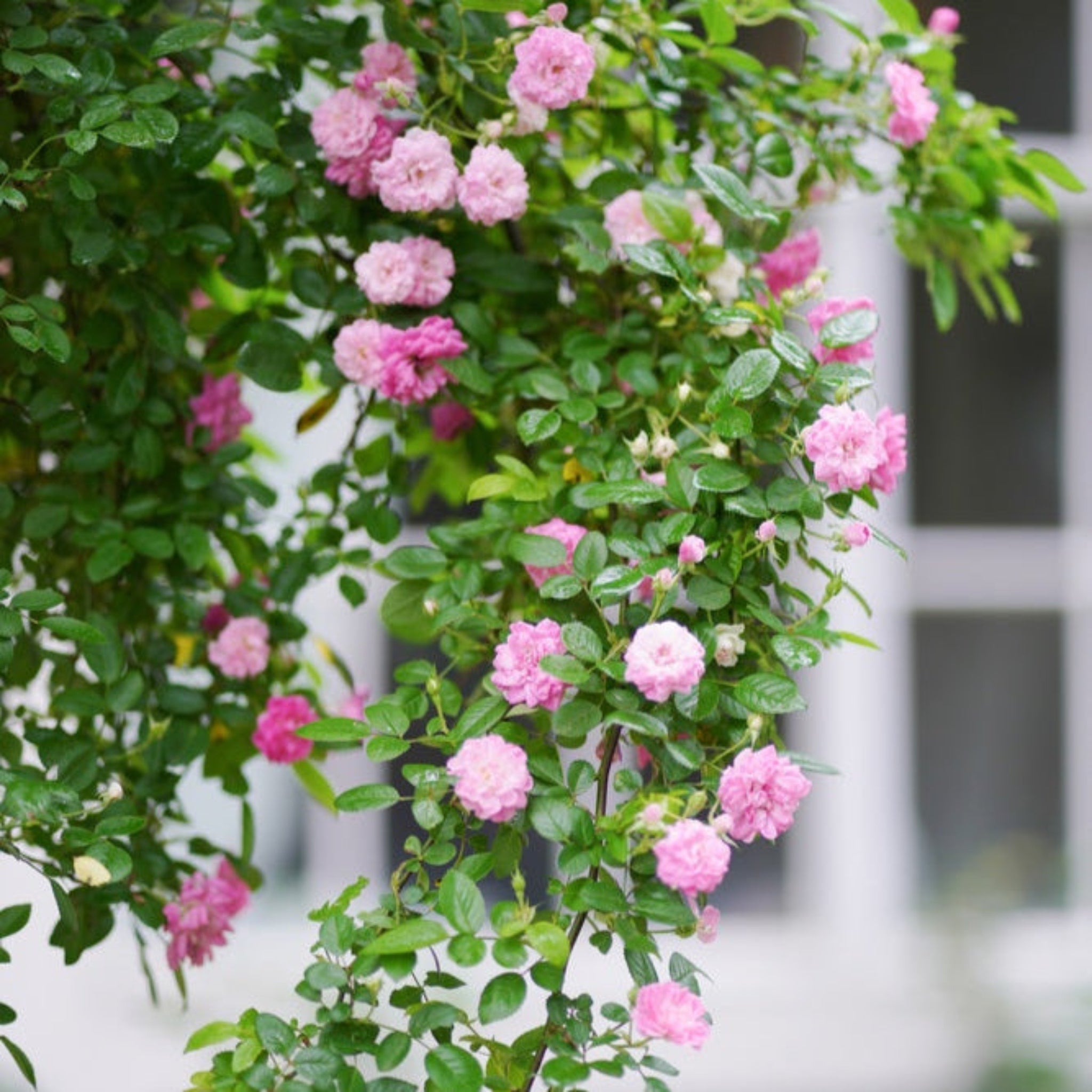
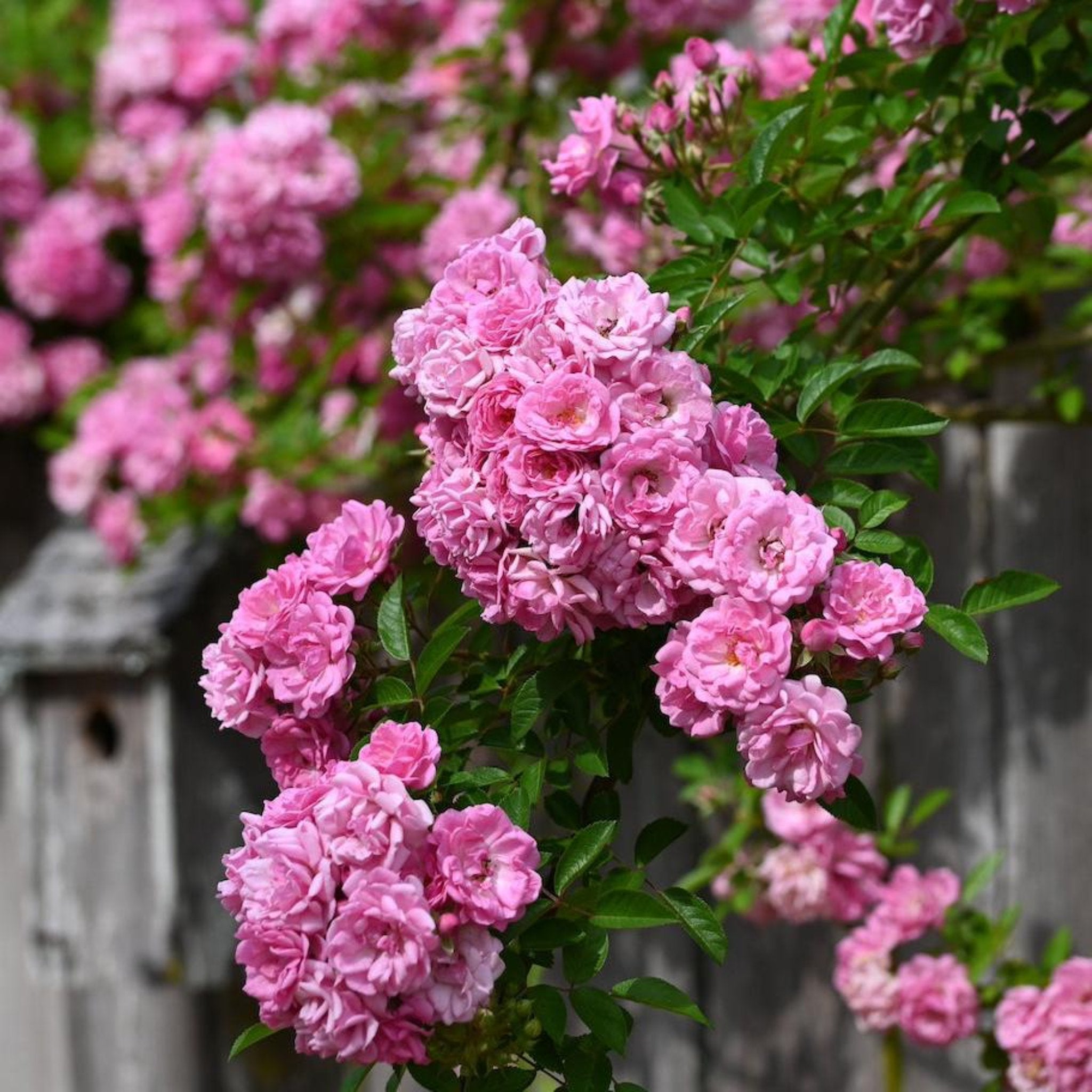
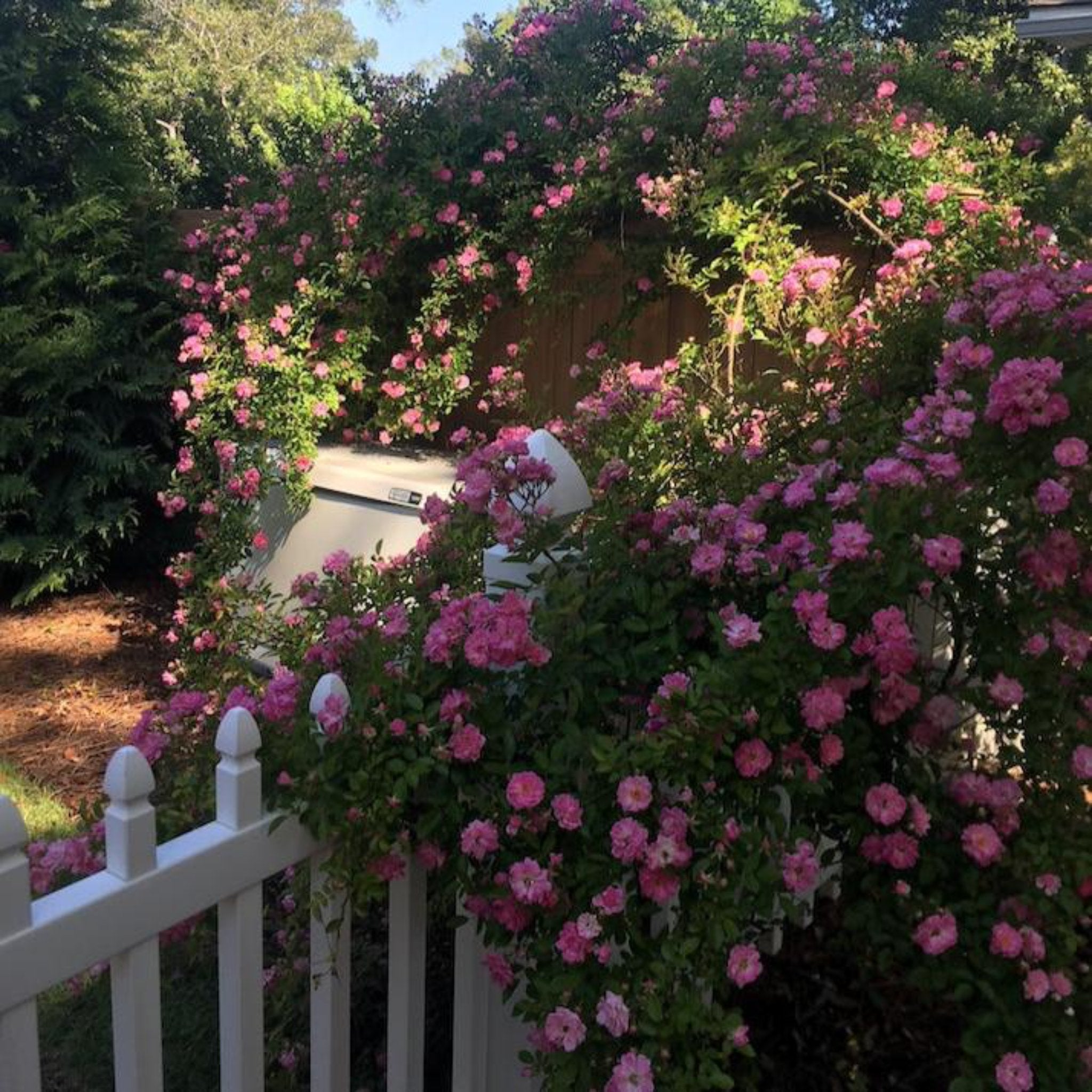
The Peggy Martin Climbing Rose has one of the most remarkable origin stories in horticulture. In August 2005, Hurricane Katrina submerged Peggy Martin’s New Orleans garden under 20 feet of saltwater for two weeks. Every plant was lost — except one: her climbing rose, which had been growing in her garden for over 20 years. When the floodwaters receded, it regrew from the roots and bloomed again the following spring. That rose — now named in her honor — went on to become one of the most celebrated and widely planted climbing roses in the American South. Its extraordinary resilience is matched by its beauty: massive clusters of candy-pink blooms cover the entire plant from spring through fall, and its nearly thornless canes make it one of the most gardener-friendly climbing roses available.

Why Peggy Martin Is the Premier Climbing Rose

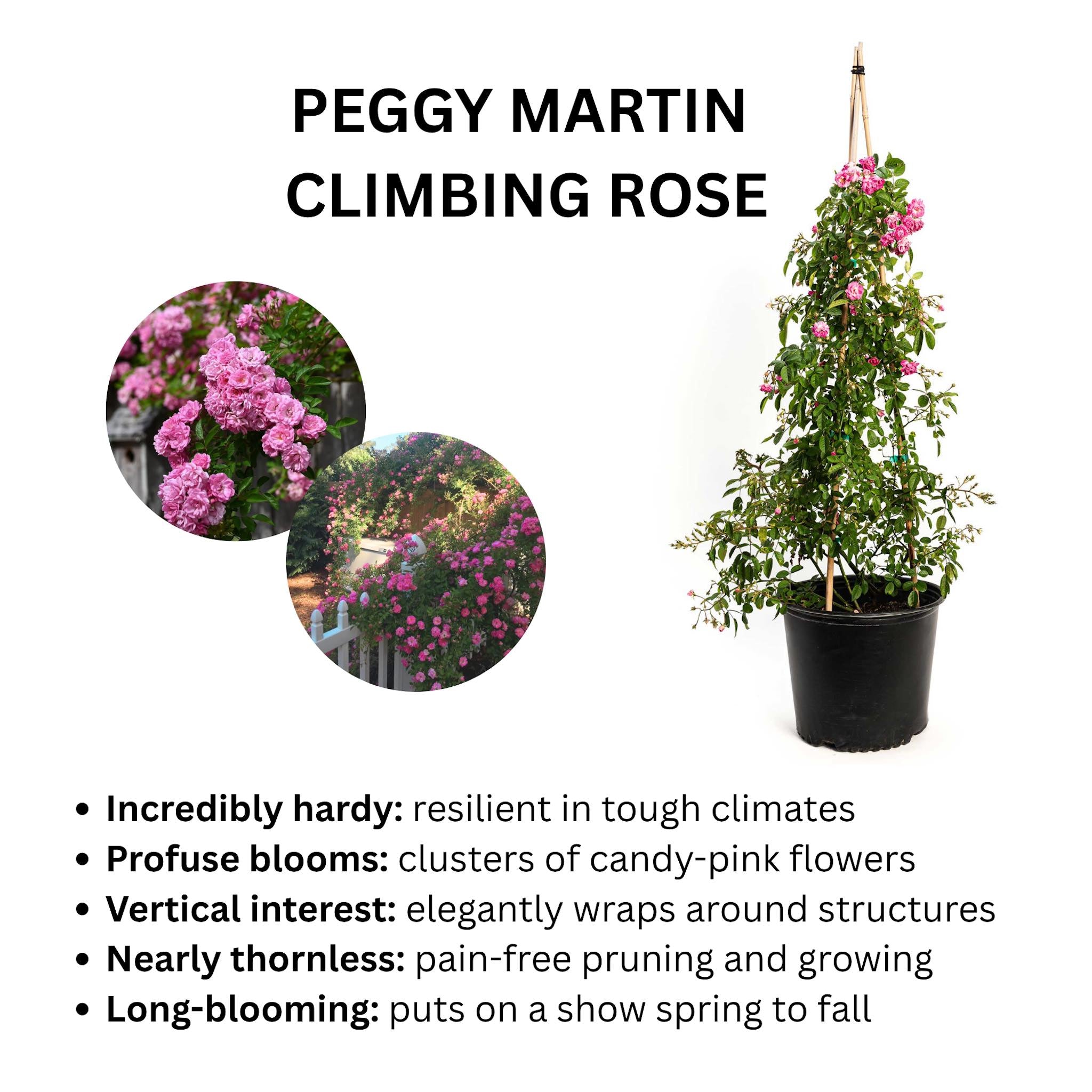
  • Legendary resilience — survived two weeks submerged under 20 feet of saltwater after Hurricane Katrina; one of the most stress-tolerant roses available
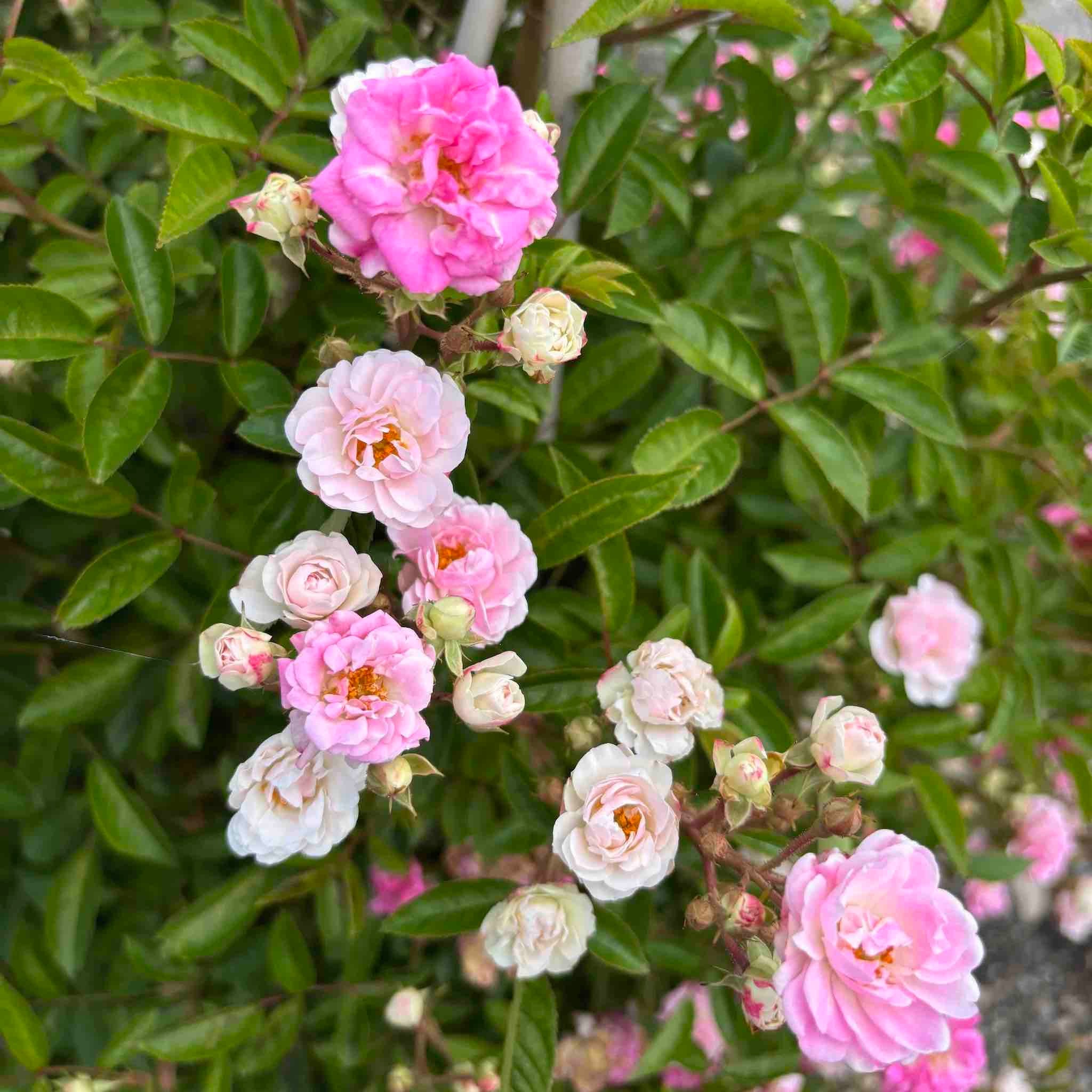
  • Massive bloom production — covers itself in clusters of candy-pink blooms from spring through fall; one of the most prolific-blooming climbing roses available
  • Nearly thornless canes — unlike most climbing roses, Peggy Martin has minimal thorns; pruning, training, and handling are dramatically easier and safer
  • Exceptional disease resistance — highly resistant to black spot, powdery mildew, and other common rose diseases; thrives with minimal spray programs
  • Vigorous, fast-growing climber — can reach 15–20 ft; quickly covers trellises, fences, pergolas, arches, and walls
  • Heat and humidity tolerant — bred for Southern climates; thrives in the hot, humid conditions that challenge many other roses
  • Note on mature bloom color: Mature plants may produce blooms in a mix of pink and white; this is a natural characteristic of the variety

Hardiness & Growing Zones

  • USDA Hardiness Zones: 6–11
  • Zone 6: Hardy in-ground; canes may die back in severe winters but regrow vigorously from the roots; mulch around the base before first frost; may rebloom on new wood
  • Zones 7–9: Ideal conditions; vigorous growth with prolific, continuous blooming from spring through fall; the classic Peggy Martin climate
  • Zones 10–11: Thrives in warm climates; may bloom nearly year-round in the mildest locations
  • Sunlight: Full sun (6–8+ hours required; more sun = more blooms and better disease resistance)
  • Soil: Well-drained; adaptable to most soil types including clay and sandy soils; avoid waterlogged conditions
  • Mature size: 15–20 ft long; requires a sturdy support structure
  • Bloom time: Spring through fall (April–November in most zones)

Planting & Care Tips

Plant in the sunniest spot available with well-drained soil. Water deeply during the first growing season to establish roots; once established, Peggy Martin is quite drought-tolerant. Fertilize in early spring as new growth emerges and again after the first bloom flush with a rose-specific or balanced fertilizer. Train canes horizontally along a support structure — horizontal caning encourages more lateral shoots and dramatically increases bloom production. Prune in late winter to remove dead wood and shape the plant; remove spent canes at the base to encourage vigorous new growth. Peggy Martin’s exceptional disease resistance means minimal spray programs are needed compared to most roses.

Available Sizes

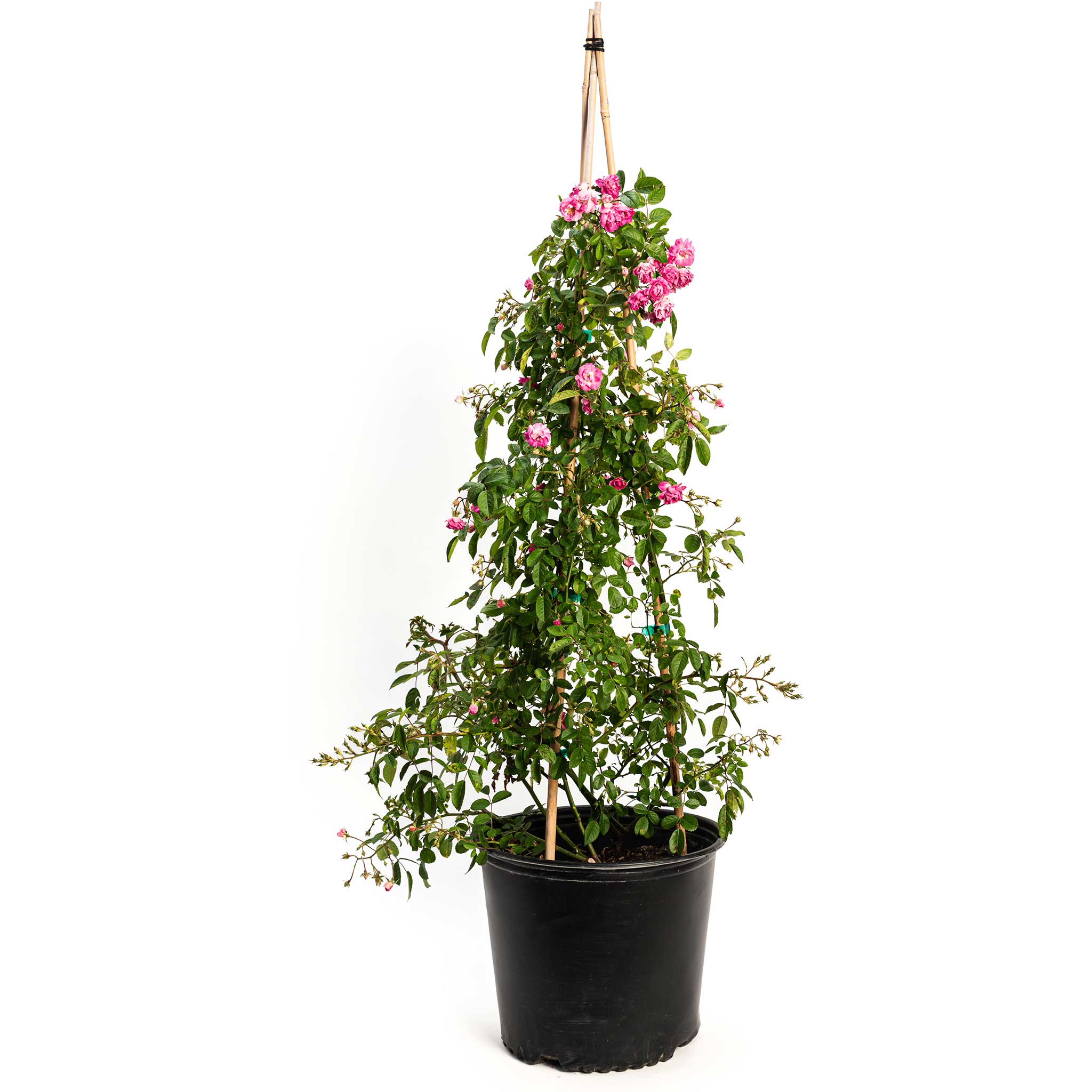
  • 3 Gallon — well-rooted young plant; most economical; will establish quickly
  • 5 Gallon — larger, more established plant; faster to first full bloom display

Questions & Answers

Have a Question?

Be the first to ask a question about this.

Ask a Question
Potted plant with pink flowers on a white background - climbing rose - Henderson Garden Supply
Peggy Martin Climbing Rose | The Survivor Rose | Nearly Thornless Sale price$ 149.95

You may also like

Recently viewed