%20solves%20the%20most%20frustrating%20problem%20with%20large-flowered%20hydrangeas:%20stem...)
The hayracks and liners are perfect!! And fastest delivery ever!!
these are fabulous stakes! much more solid and substantial than any of my other ones. I am going to order more from this store!!!
Love the extra large size and sturdy construction
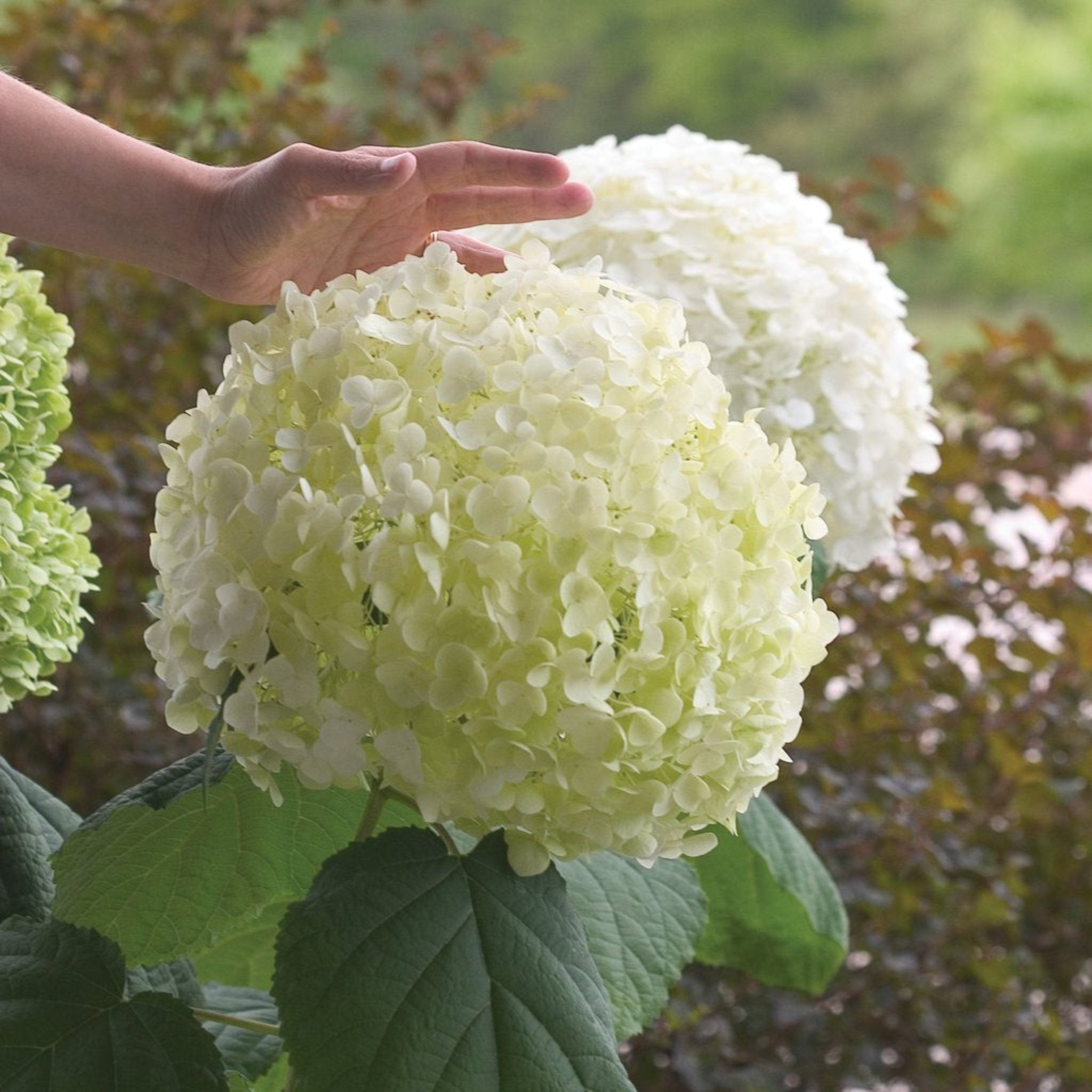
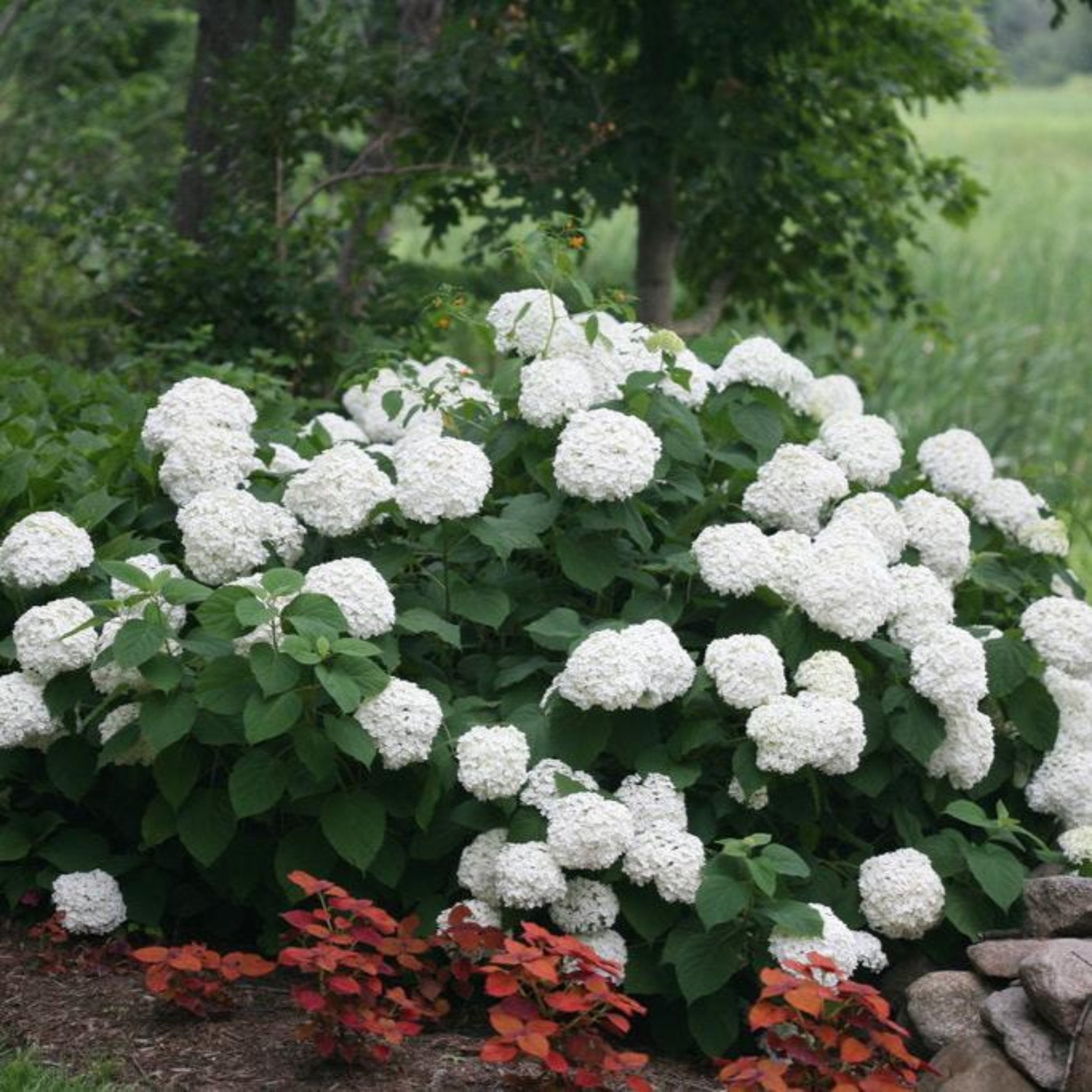
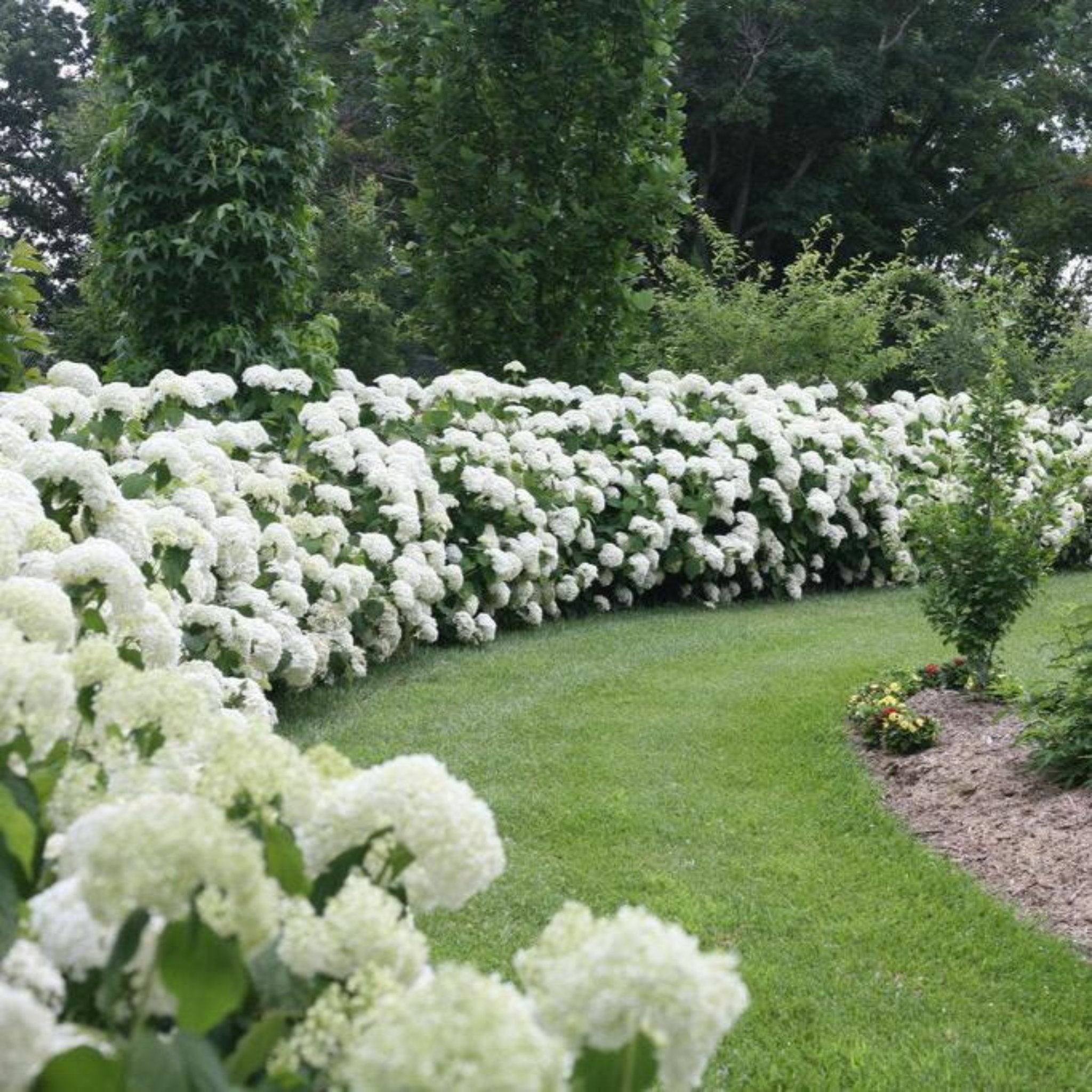
Incrediball® Hydrangea (Hydrangea arborescens 'Abetwo') solves the most frustrating problem with large-flowered hydrangeas: stem flop. Traditional smooth hydrangeas like 'Annabelle' produce enormous blooms but on weak stems that collapse under the weight of rain or the flowers themselves, leaving a sprawling mess. Incrediball® was specifically bred with dramatically stronger, thicker stems that hold those massive 12-inch flower heads upright through summer storms and heavy rain. The result is the most spectacular display of any smooth hydrangea — giant, globe-shaped white flowers that open in early summer, mature to a beautiful jade-green in late summer, and persist through fall. And unlike bigleaf hydrangeas, Incrediball® blooms reliably every year regardless of winter severity, making it one of the most dependable flowering shrubs available for cold climates.
Both are excellent hydrangeas, but they are different species suited to different needs. Incrediball® (H. arborescens) is a smooth hydrangea — white blooms only, blooms on new wood every year regardless of winter, hardy to zone 3, and produces the largest individual flower heads. Endless Summer® (H. macrophylla) is a bigleaf hydrangea — blue or pink blooms (color changes with soil pH), reblooms on old and new wood, hardy to zone 4. Choose Incrediball® for maximum bloom size, cold hardiness, and reliability; choose Endless Summer® for color variety and the color-change experience.
Plant in moist, well-drained soil with good organic matter. Water deeply and consistently — adequate moisture is the key to producing the largest possible blooms. Mulch 2–3 inches around the base to retain moisture and keep roots cool. Fertilize once in early spring with a balanced slow-release fertilizer. Cut the entire plant back to 12–18 inches in late winter or early spring before new growth emerges — this is the single most important maintenance task, as it encourages the most vigorous new growth and the largest blooms. Do not prune in fall, as this is unnecessary and removes the attractive dried flower heads that provide winter interest.
Be the first to ask a question about this.
Choose options
Be the first to ask a question about this.