Gala Apple Tree – Sweet, Mild, and Ready Before the Rest
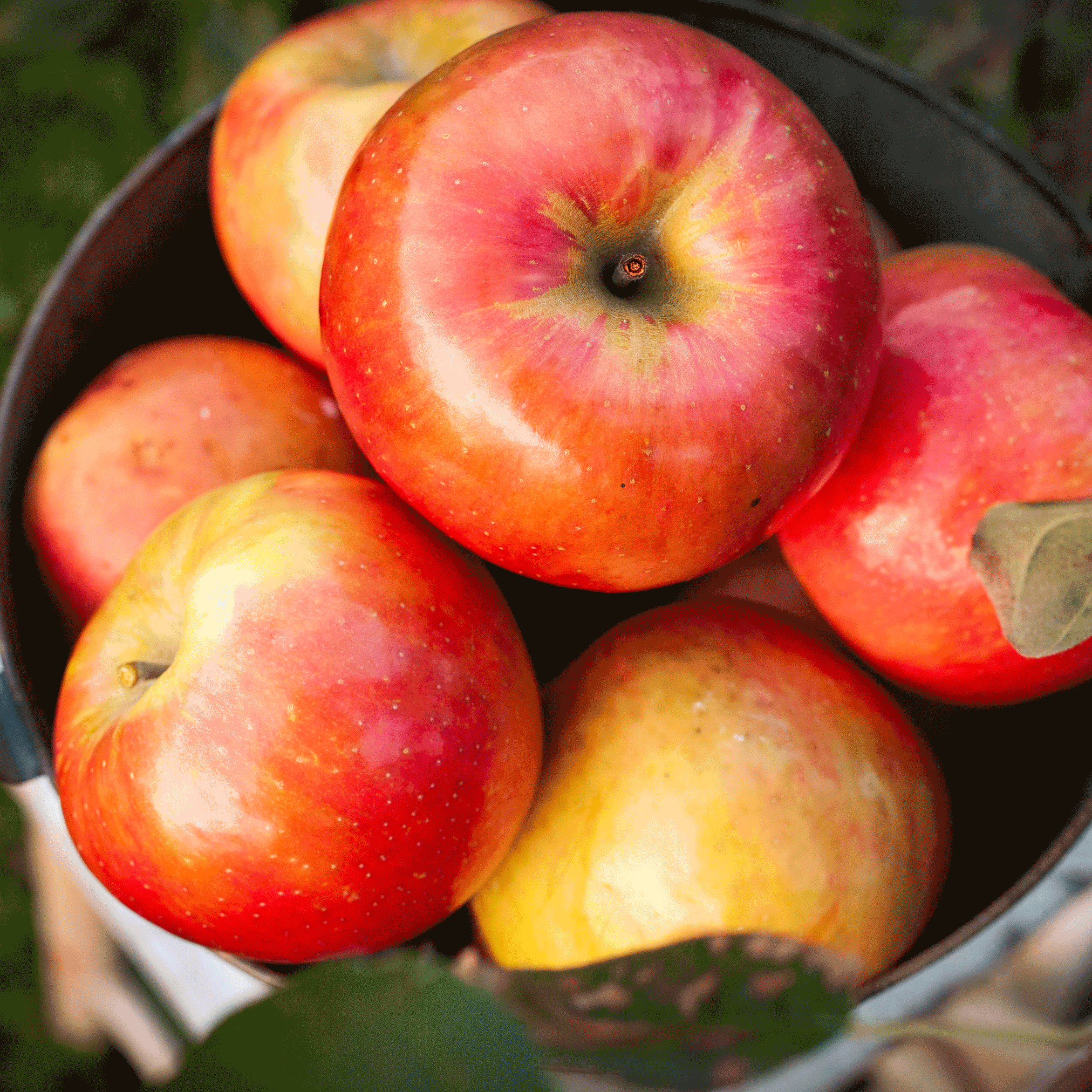
The Gala Apple is one of the world’s most popular apple varieties — and for good reason. Sweet, mild, and beautifully aromatic, Gala apples are the go-to for fresh snacking, lunchboxes, and light baking. What sets Gala apart from the crowd is its early ripening season — you’ll be harvesting fresh apples in late summer while most other varieties are still weeks away from peak.
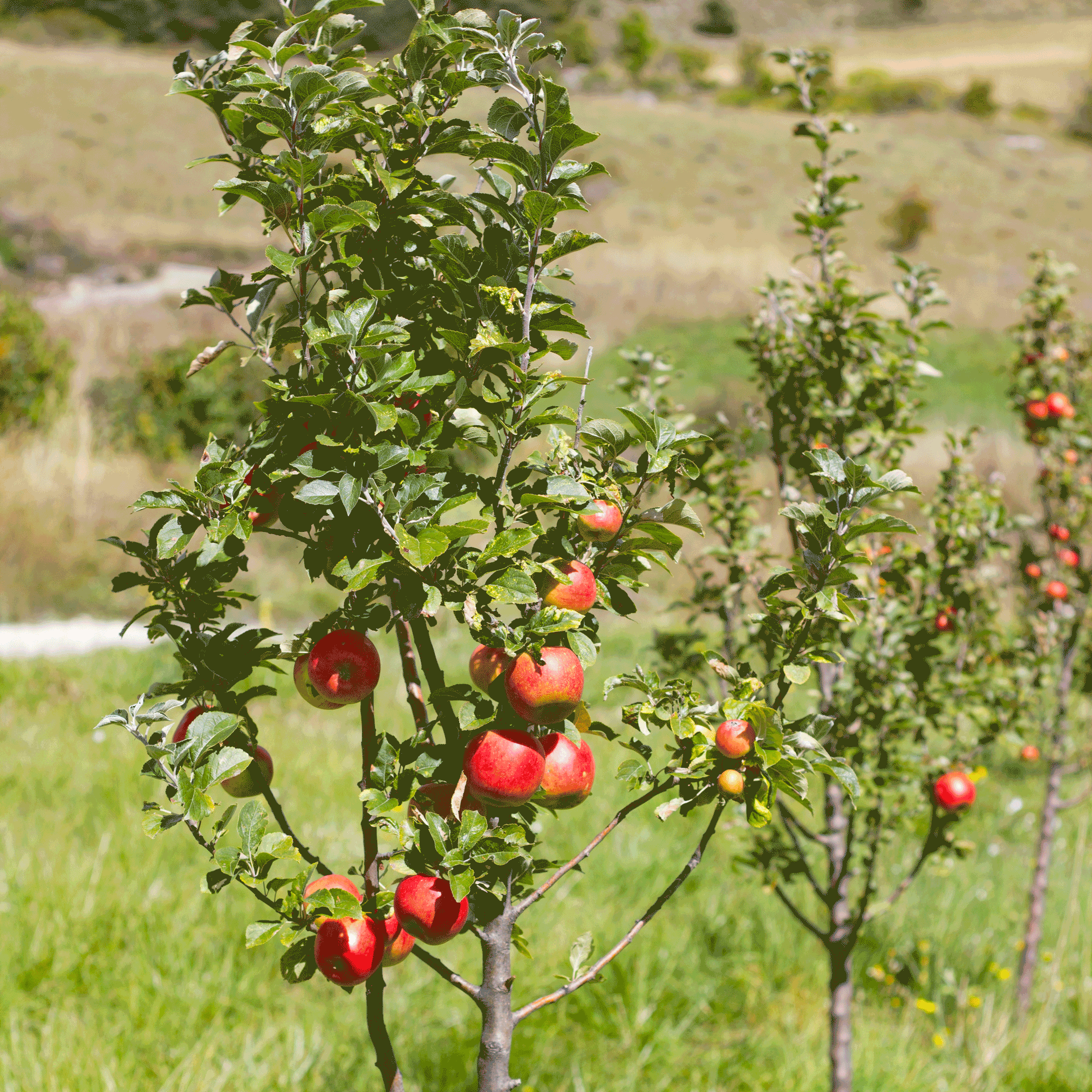
Our Gala Apple Trees arrive at 3–7 feet tall — established, healthy, and ready to fruit sooner than a bare-root or seedling. Choose a single tree or upgrade to a Pollination Pack with Fuji, Granny Smith, or Honeycrisp® for maximum yields.
Why You’ll Love the Gala Apple Tree
-
Sweet, Mild Flavor: Honey-sweet with a fine, crisp texture — universally loved by kids and adults alike
-
Early Harvest: One of the first apples to ripen each season — enjoy fresh fruit from late August through September
-
Excellent Pollinator: Gala is one of the best cross-pollinators for other apple varieties, boosting yields across your whole orchard
-
Reliable & Heavy-Producing: Consistent, abundant crops year after year once established
-
Versatile in the Kitchen: Perfect for fresh eating, salads, applesauce, light baking, and juicing
-
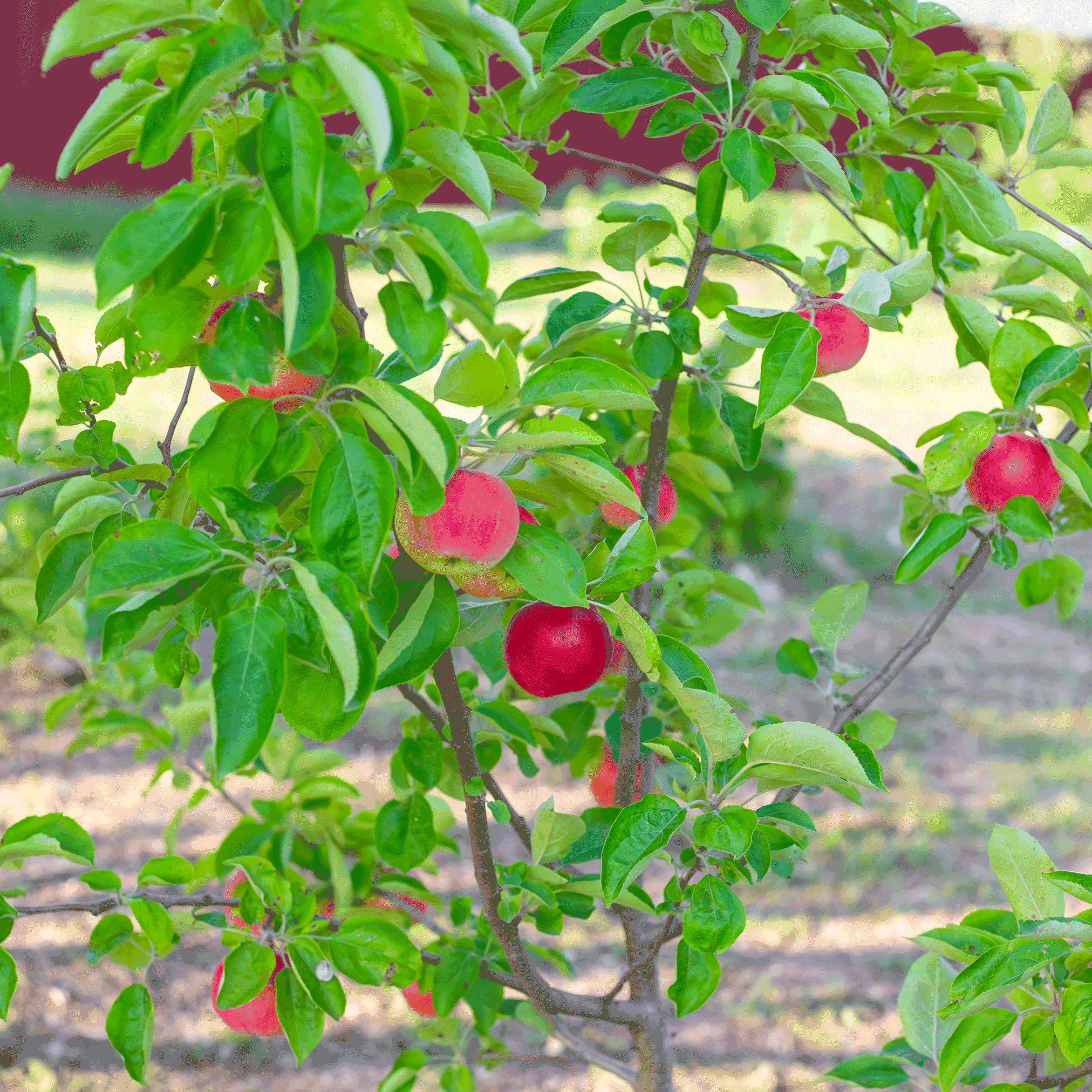
Four Seasons of Beauty: Fragrant pink-white spring blossoms, lush summer canopy, colorful fall harvest, and graceful winter form
Single Tree vs. Pollination Pack
Gala Apple Trees are partially self-fertile but produce significantly larger and more consistent harvests when cross-pollinated with another apple variety. Our Pollination Packs pair your Gala with a Fuji, Granny Smith, or Honeycrisp® — all excellent pollinators that also deliver their own delicious harvests. Because Gala ripens early and the others ripen mid-to-late season, a Pollination Pack also extends your fresh apple harvest from late summer all the way through October.
Growing Zones & Care Guide
-
USDA Hardiness Zones: Best suited for Zones 5–8. Gala requires 500–600 chill hours (hours below 45°F) to break dormancy and set fruit reliably each season.
-
Zone 4 (With Protection): Possible in sheltered microclimates with winter mulching and a south-facing planting site. Late spring frosts can damage blossoms — site selection is key.
-
Zones 9–10 (Low-Chill Areas): Standard Gala may underperform in very warm winters. Look for low-chill selections or contact us for guidance on your local chill hour accumulation.
-
Sunlight: Full sun — 6–8 hours of direct sunlight daily for best fruit set, color development, and sweetness.
-
Watering: Deep, infrequent watering once established. Keep soil consistently moist during the first growing season. Avoid waterlogged conditions.
-
Soil: Well-draining, loamy soil with a slightly acidic pH (6.0–7.0). Avoid heavy clay or low-lying areas prone to standing water.
-
Fertilizing: Apply a balanced fruit tree fertilizer in early spring before bud break. A light second feeding in early summer supports fruit sizing and color.
-
Pruning: Prune in late winter while dormant to open the canopy, remove crossing branches, and encourage new fruiting spurs. Thin fruit clusters in early summer to improve size and quality.
-
Harvest Window: Late August through September — one of the earliest-ripening standard apple varieties. Pick when the background color shifts from green to yellow and fruit separates easily from the branch.
Complete Your Apple Orchard
Pair your Gala with a Granny Smith Apple Tree for the ultimate sweet-meets-tart apple combination. Granny Smith’s bold tartness and firm texture perfectly complement Gala’s honey sweetness — and together they’ll cross-pollinate to boost each other’s yields and extend your harvest season from late summer through October.
Whether you’re planting your first fruit tree or anchoring a backyard orchard, the Gala Apple Tree is the sweet, early-ripening, crowd-pleasing variety every garden deserves.