%20has%20earned%20its%20place%20as%20the%20defining%20statement%20plant%20of%20contemporary%20interior%20design%20%E2%80%94%20and%20for%20good%20reason.%20Its...)
The hayracks and liners are perfect!! And fastest delivery ever!!
these are fabulous stakes! much more solid and substantial than any of my other ones. I am going to order more from this store!!!
Love the extra large size and sturdy construction

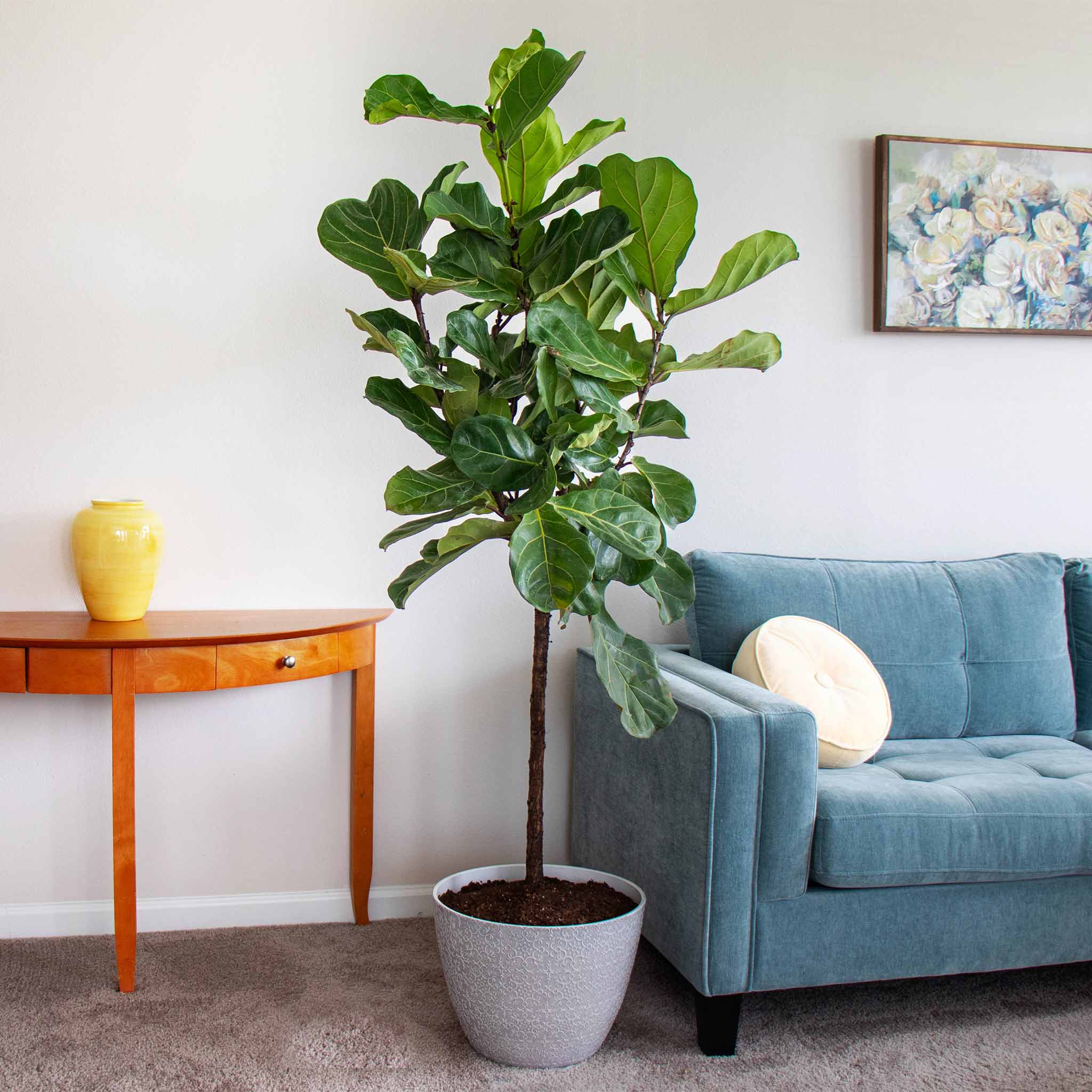
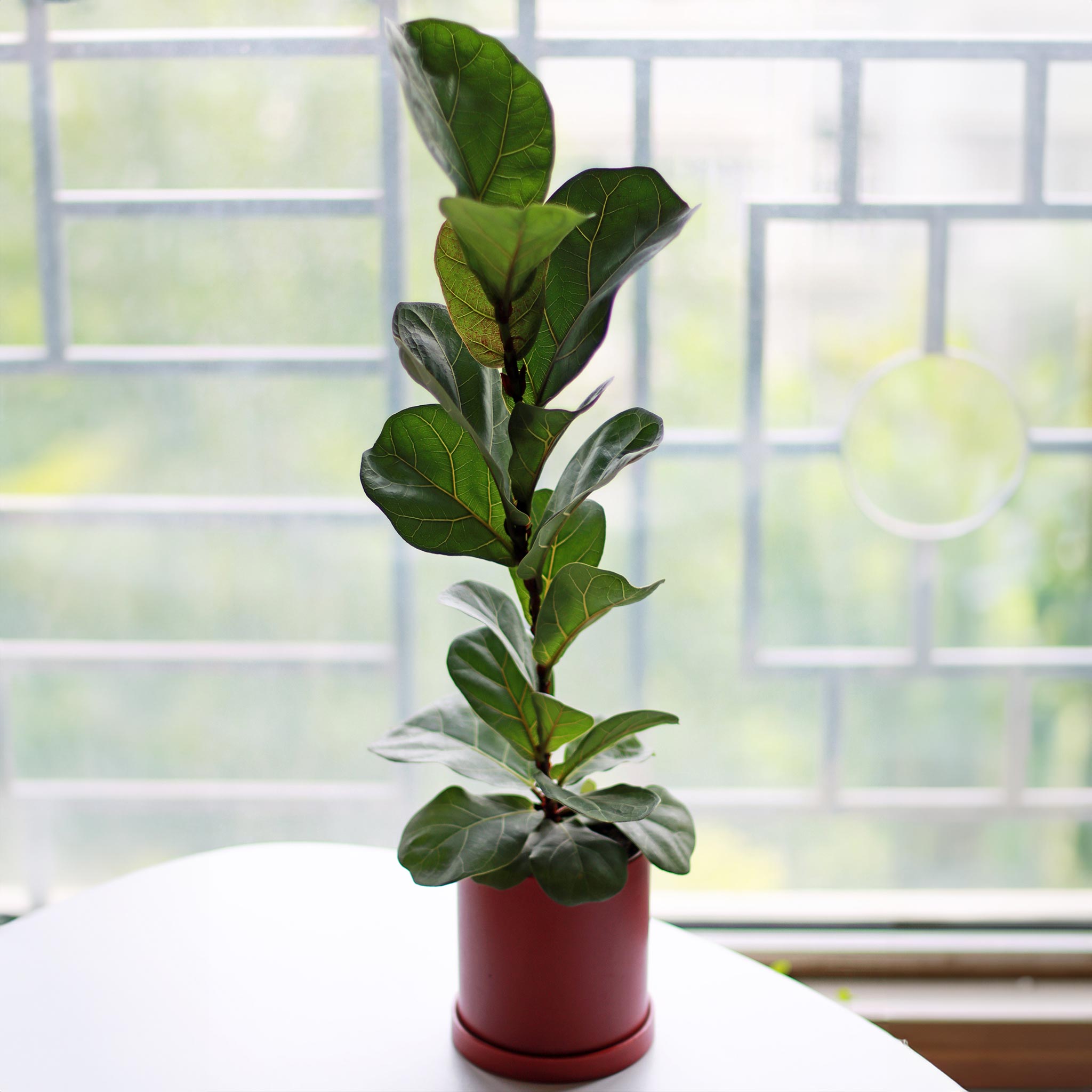
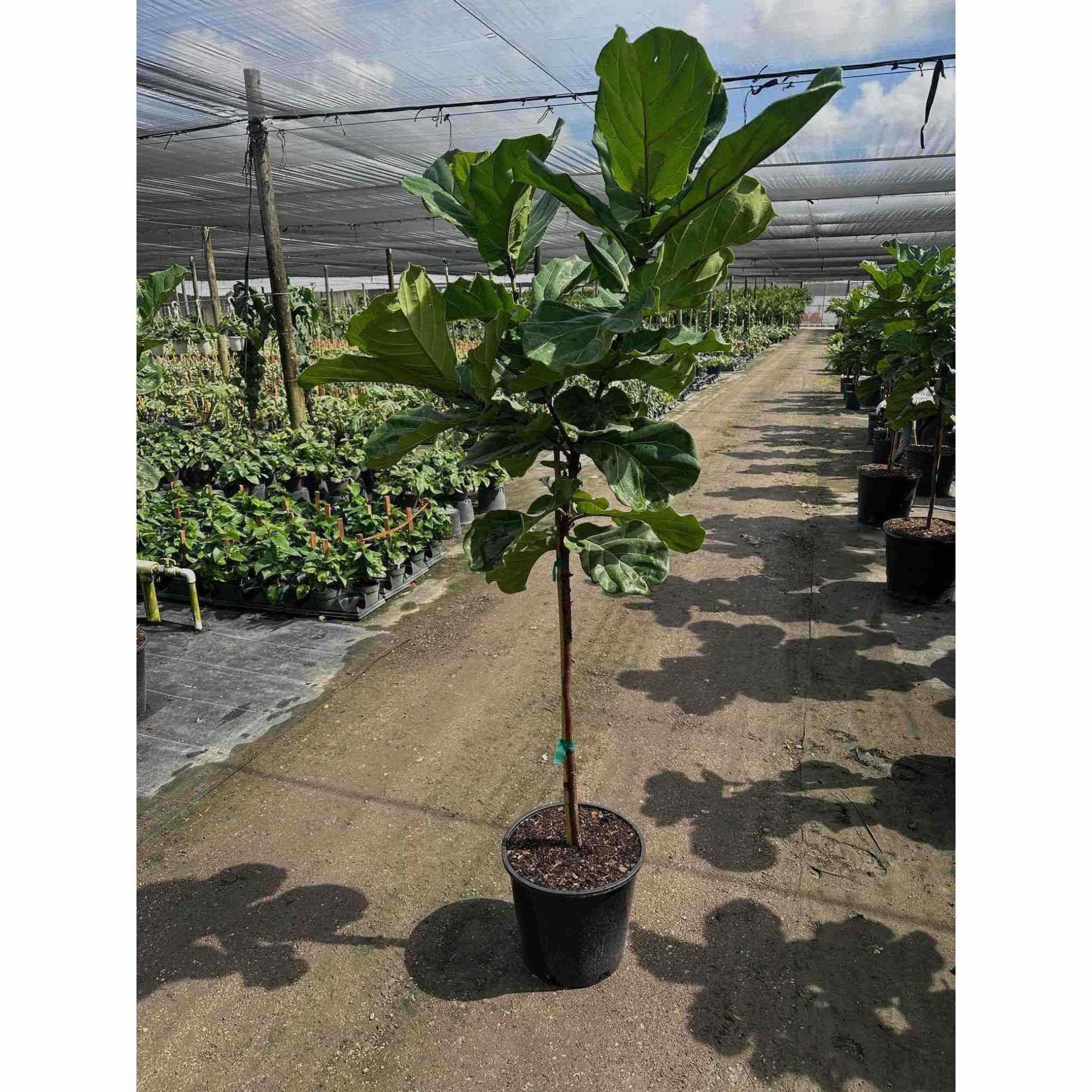
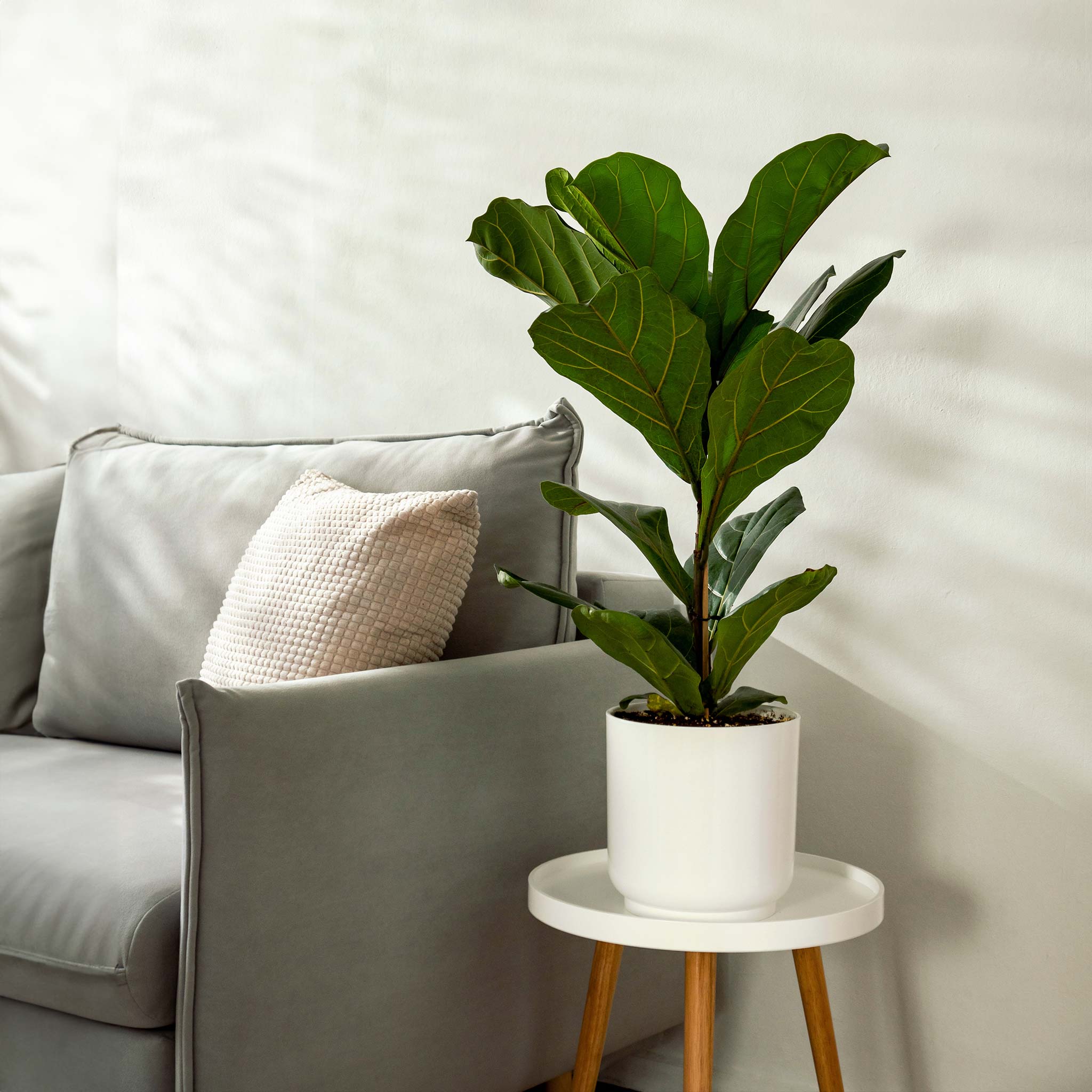
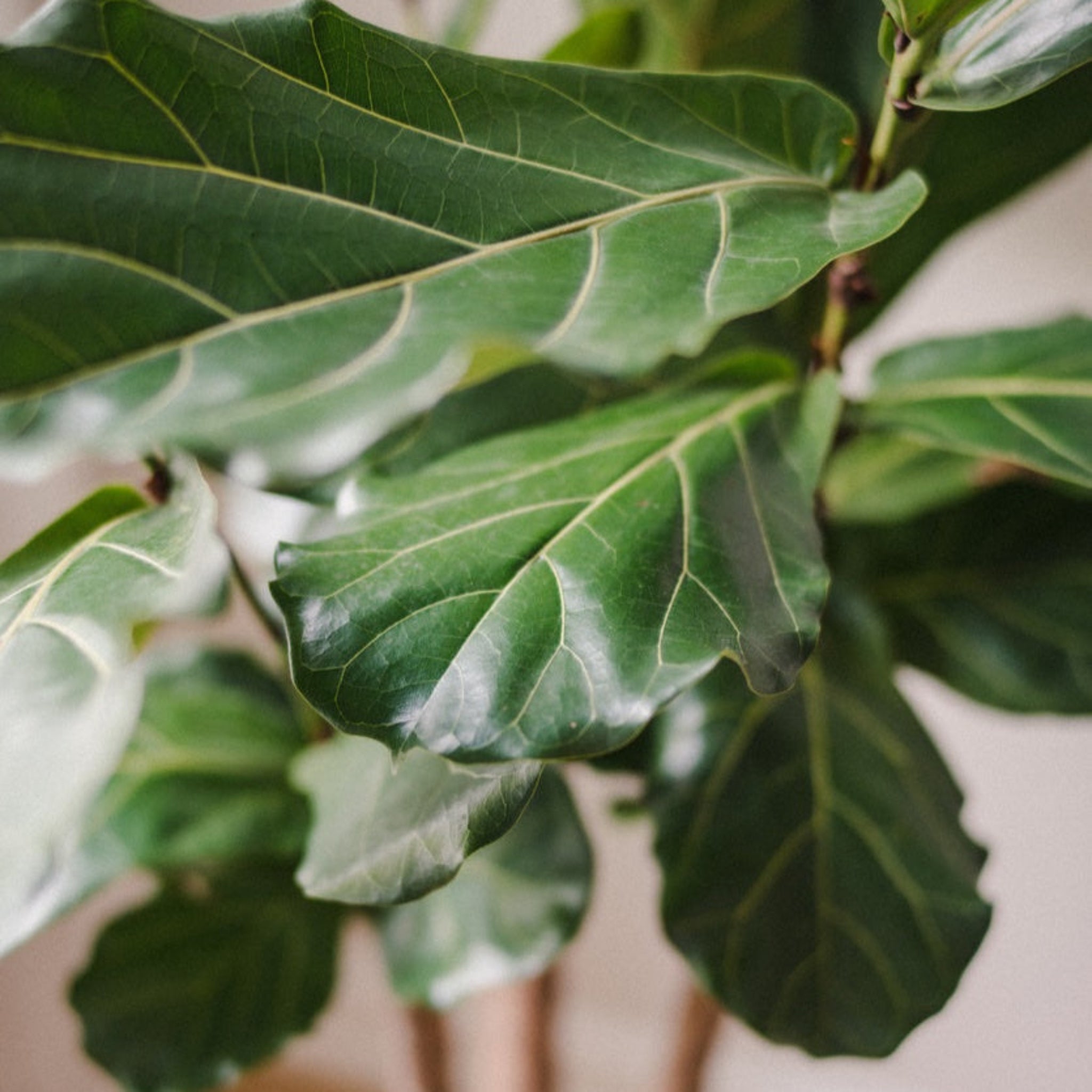
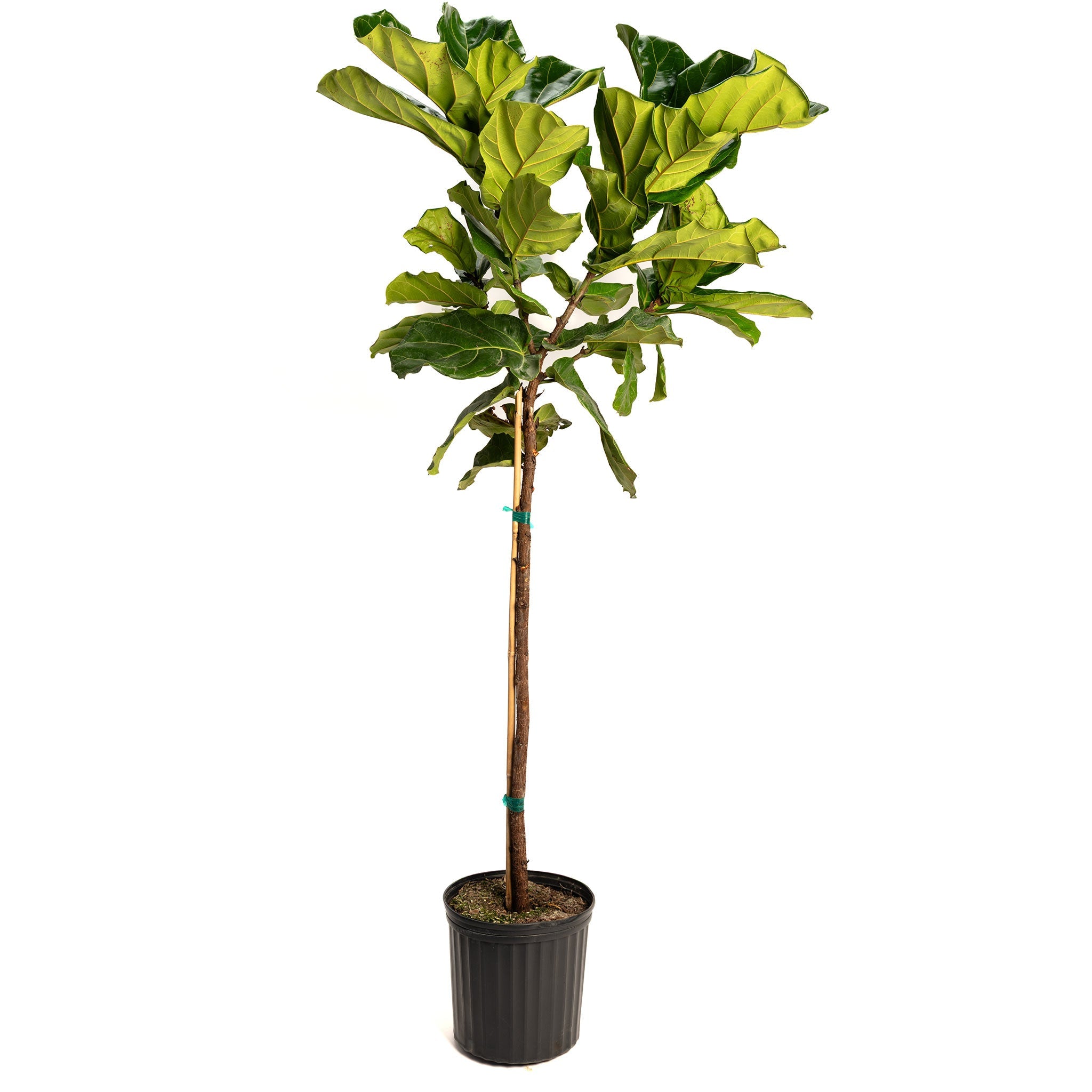
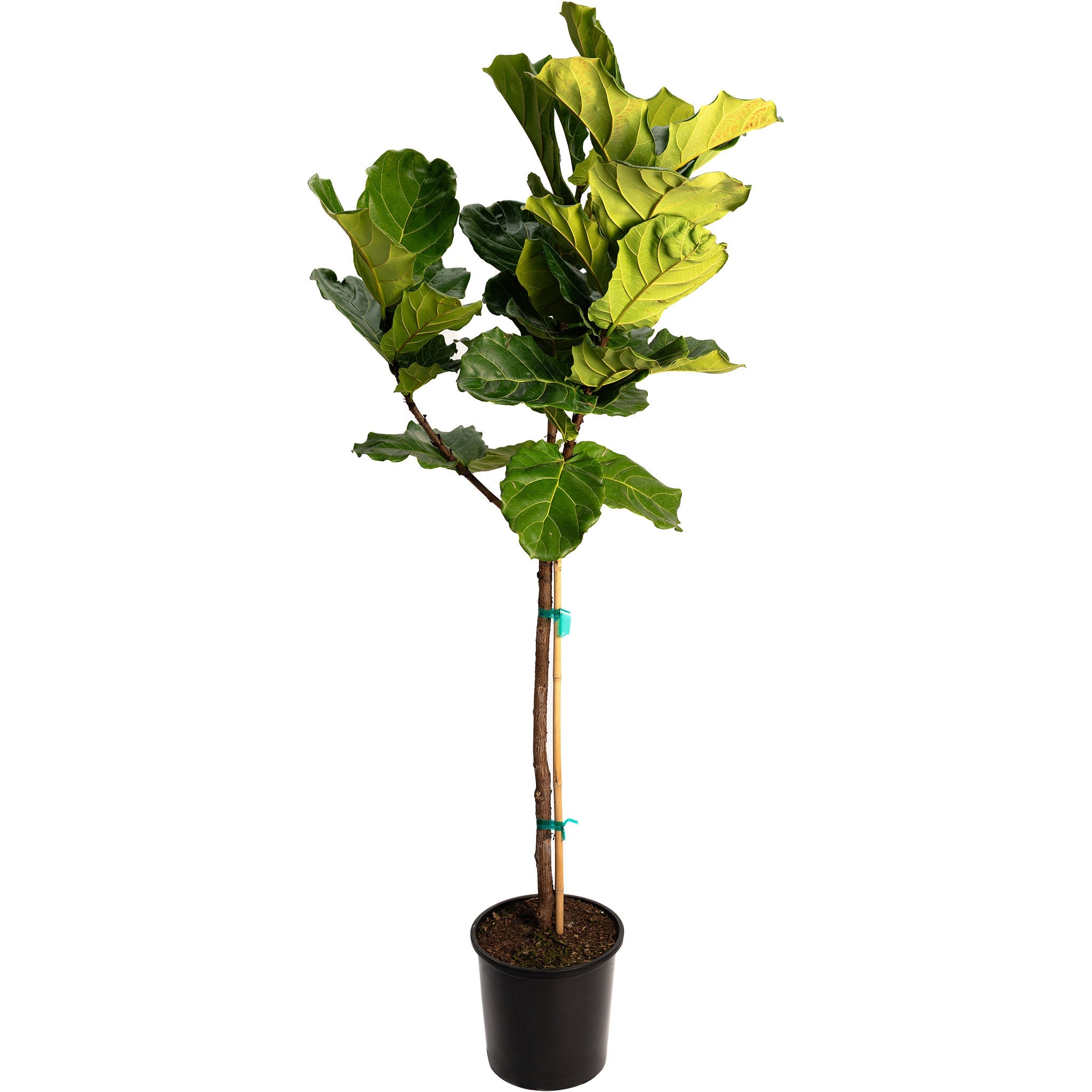
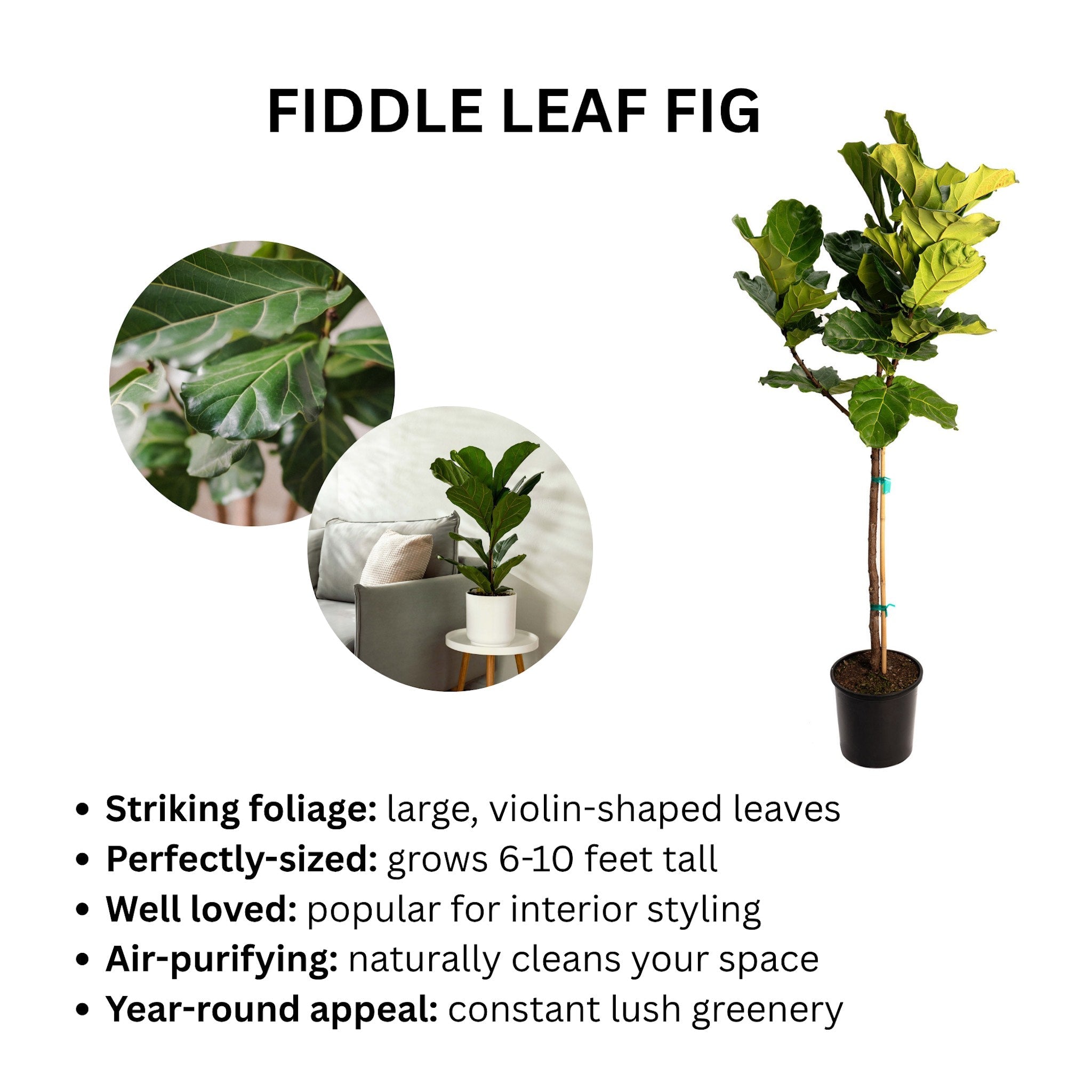
The Fiddle Leaf Fig Tree (Ficus lyrata) has earned its place as the defining statement plant of contemporary interior design — and for good reason. Its large, glossy, violin-shaped leaves are architectural in scale and sculptural in form, capable of transforming a bare corner into a dramatic focal point that no other houseplant can replicate. Native to the tropical rainforests of West Africa, it thrives in the warm, stable conditions of a well-lit home and rewards attentive care with vigorous new growth and an ever-more-impressive silhouette. Available in sizes from a manageable 3–4 ft starter to a fully mature 7–8 ft statement specimen — ready to anchor a living room, entryway, or office the moment it arrives.
Bright, indirect light is the single most important factor for fiddle leaf fig success. Place near a south- or east-facing window where the plant receives several hours of bright (but not harsh, direct midday) light per day. Avoid north-facing windows, which provide insufficient light. Rotate the pot a quarter turn every few weeks to encourage even growth. Do not move the plant frequently — fiddle leaf figs are sensitive to location changes and may drop leaves in response to being relocated.
Water thoroughly when the top 1–2 inches of soil feel dry, then allow excess water to drain completely — never let the plant sit in standing water. Overwatering is the most common cause of fiddle leaf fig decline; root rot from soggy soil is far more damaging than underwatering. In winter, reduce watering frequency as growth slows. Use room-temperature water; cold water can shock the roots.
Fiddle leaf figs prefer temperatures between 60–85°F and moderate to high humidity. Keep away from heating and air conditioning vents, cold drafts, and exterior doors — sudden temperature fluctuations trigger leaf drop. In dry climates or during winter heating season, a humidifier nearby or regular misting of the leaves will improve health and appearance.
Fertilize monthly during the growing season (spring through summer) with a balanced liquid fertilizer diluted to half strength. Wipe leaves with a damp cloth every few weeks to remove dust — clean leaves photosynthesize more efficiently and maintain their signature glossy appearance. Repot every 1–2 years into a pot 2 inches larger when roots begin to circle the bottom of the container.
Be the first to ask a question about this.
Choose options
Be the first to ask a question about this.