
Skip to content

Cart

Your cart is empty

D'Anjou Pear Tree

The Classic Grocery Store Pear — Grown in Your Own Backyard

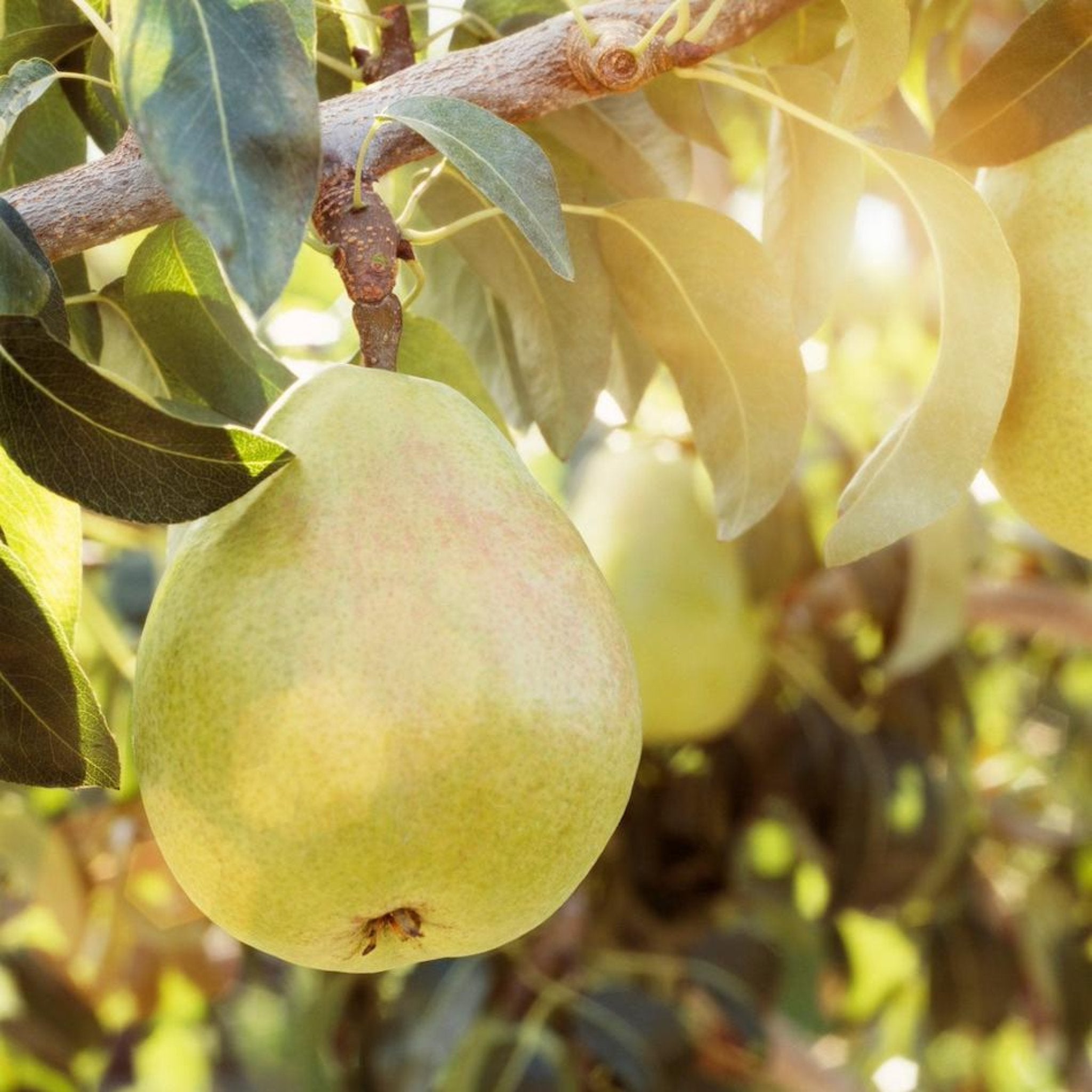
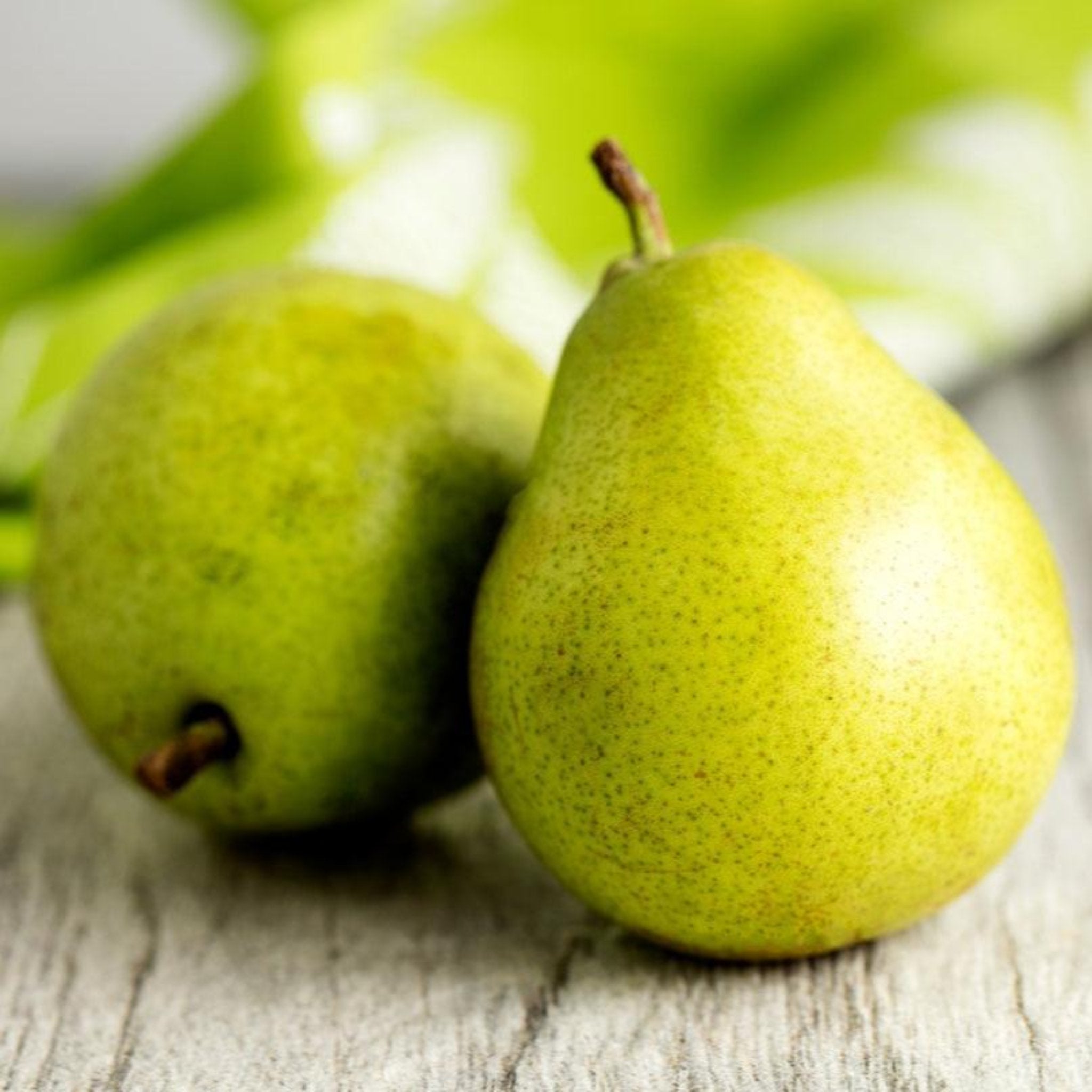
The D’Anjou Pear Tree (Pyrus communis 'D’Anjou') is one of the most widely recognized and beloved pear varieties in the world — the smooth, green, egg-shaped pear you’ve seen in every grocery store. Grown at home, it delivers something the store never can: tree-ripened fruit with a rich, sweet flavor and a subtle citrus note that only develops when pears are allowed to ripen fully off the tree. A mature D’Anjou is a prolific producer, yielding heavy crops of medium-to-large fruit that stores exceptionally well — up to 5 months in a cool location — making it one of the best pear varieties for home orchards.

Why Home Orchardists Love D’Anjou

  • Exceptional flavor and versatility — sweet with a hint of citrus; excellent fresh, poached, baked, canned, or added to salads and cheese boards
  • Outstanding storage life — stores up to 5 months in a cool location (35–40°F); one of the best-keeping pear varieties available
  • Heavy, reliable crops — produces abundant medium-to-large fruit annually once established
  • Cold-hardy and adaptable — one of the most cold-tolerant European pear varieties; performs well across a wide range of climates
  • Long-lived tree — pear trees can produce fruit for 50–100+ years with proper care

Hardiness & Growing Zones

  • USDA Hardiness Zones: 5–9
  • Zones 5–6: Fully cold-hardy; one of the best European pears for northern climates; late-blooming habit reduces frost damage to blossoms
  • Zones 7–8: Ideal conditions; vigorous growth with heavy annual fruit production
  • Zone 9: Grows well in most zone 9 locations; requires adequate winter chill hours (approximately 800 hours below 45°F) — best suited for higher-elevation or inland zone 9 areas rather than coastal or low-chill locations
  • Sunlight: Full sun (6–8+ hours required for best fruit production)
  • Soil: Well-drained, slightly acidic to neutral (pH 6.0–7.0); adaptable to clay, loam, and sandy soils with good drainage
  • Mature size: 8–15 ft tall × 6–10 ft wide (standard); easily maintained smaller with annual pruning
  • Fruit harvest: Late August–October; harvest when fruit is still firm and green, then ripen at room temperature for 1–2 weeks
  • Years to fruit: Typically 3–5 years from planting; larger specimens may fruit sooner

Pollination Requirements

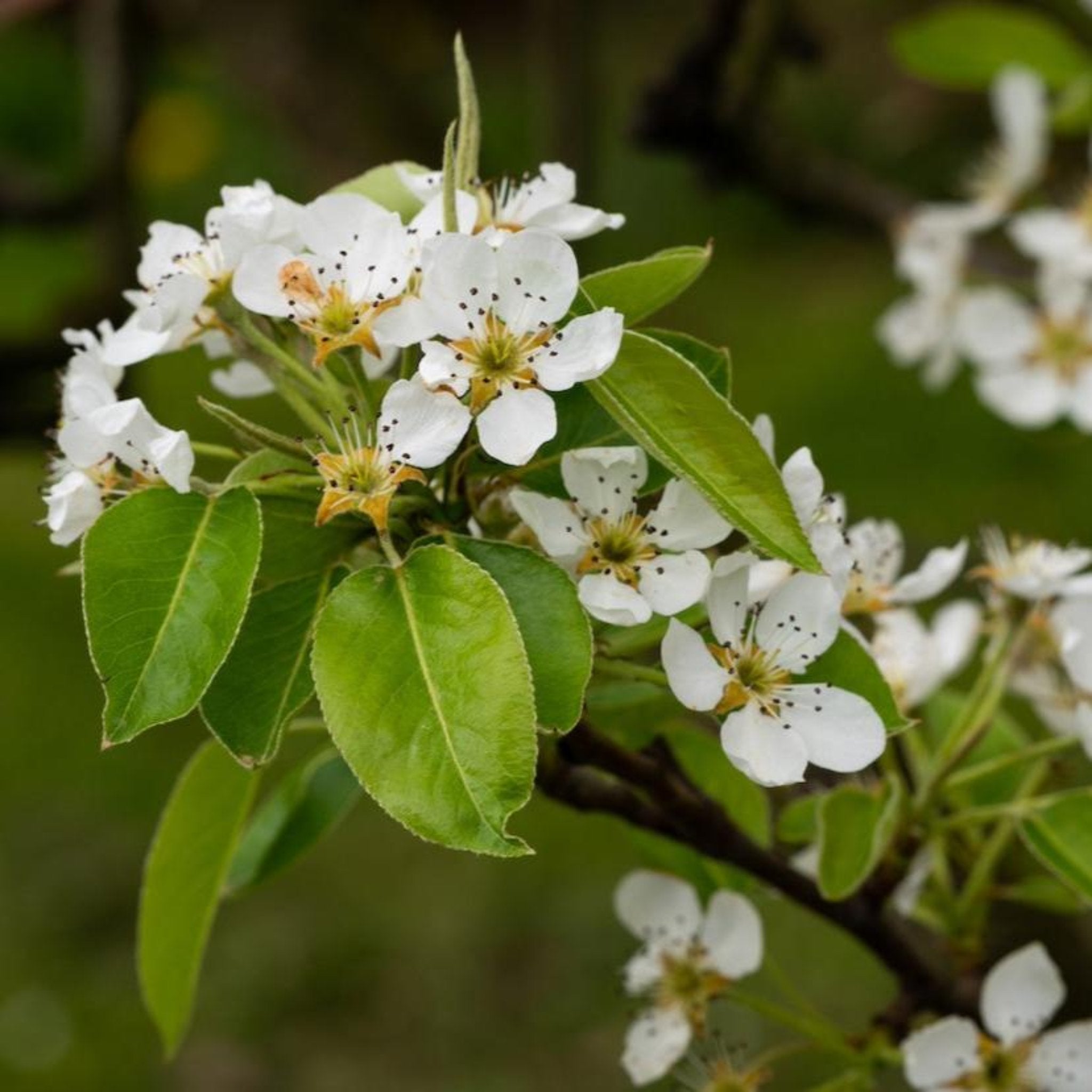
D’Anjou requires a second pear variety for cross-pollination to produce fruit. Plant within 50 feet of another European pear variety that blooms at the same time. Good pollinators include Bartlett, Bosc, Comice, and Seckel pears. Without a pollinator, fruit set will be minimal or absent.

Planting & Care Tips

Plant in full sun with well-drained soil. Water deeply during the first two growing seasons to establish a strong root system, then reduce frequency — established pear trees are moderately drought-tolerant. Fertilize lightly in early spring with a balanced fertilizer; avoid excess nitrogen, which promotes vegetative growth over fruiting. Prune annually in late winter to maintain an open canopy, remove crossing branches, and encourage fruiting spurs. Thin fruit clusters to 1–2 pears per cluster in early summer to improve fruit size and reduce branch stress. Harvest when fruit is still firm — pears ripen best off the tree.

Available Sizes

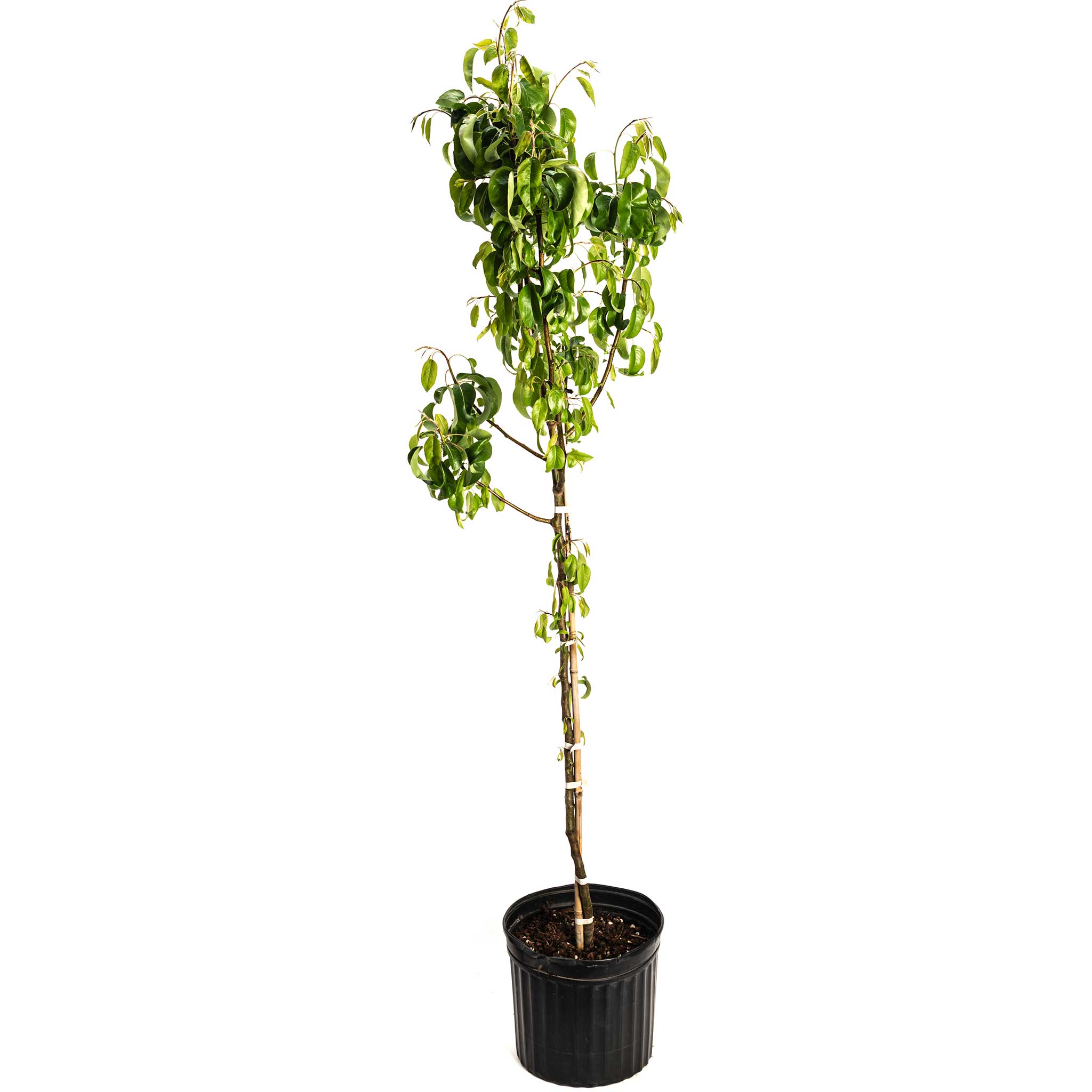
  • 3–4 ft. (5 Gallon) — well-established young tree; strong root system
  • 4–5 ft. (5 Gallon) — larger specimen; 1–2 years ahead of smaller sizes
  • 5–6 ft. (5 Gallon) — near-mature specimen; may fruit within 1–2 seasons after establishment
  • 6–7 ft. (5 Gallon) — largest available; maximum head start; immediate landscape presence

Questions & Answers

Have a Question?

Be the first to ask a question about this.

Ask a Question
Potted plant with green leaves on a white background - Henderson Garden Supply
D'Anjou Pear Tree Sale price$ 129.95

You may also like

Recently viewed