Skip to content

Cart

Your cart is empty

Blue Moon Wisteria

The Hardiest Wisteria in the World — And It Blooms Three Times a Season

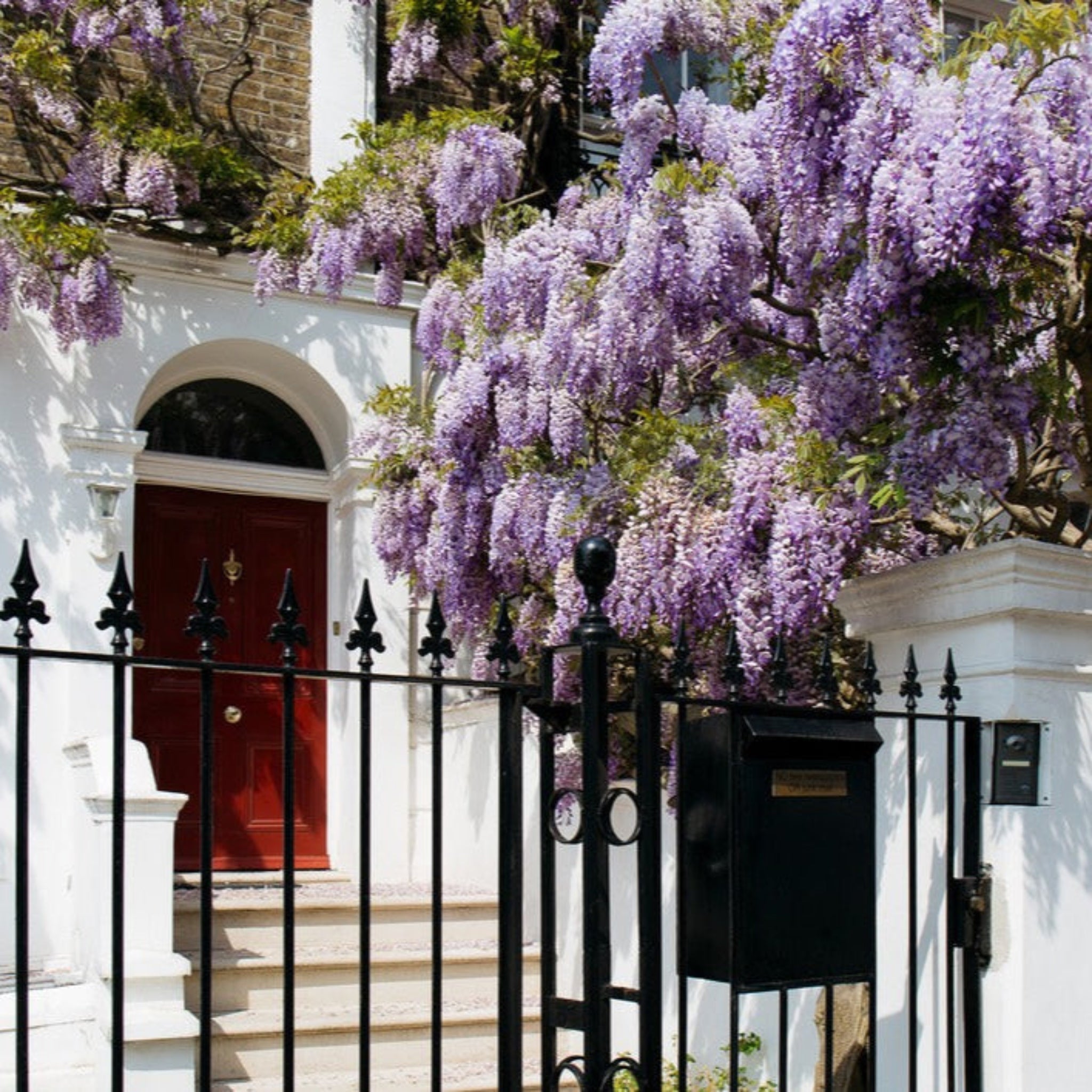
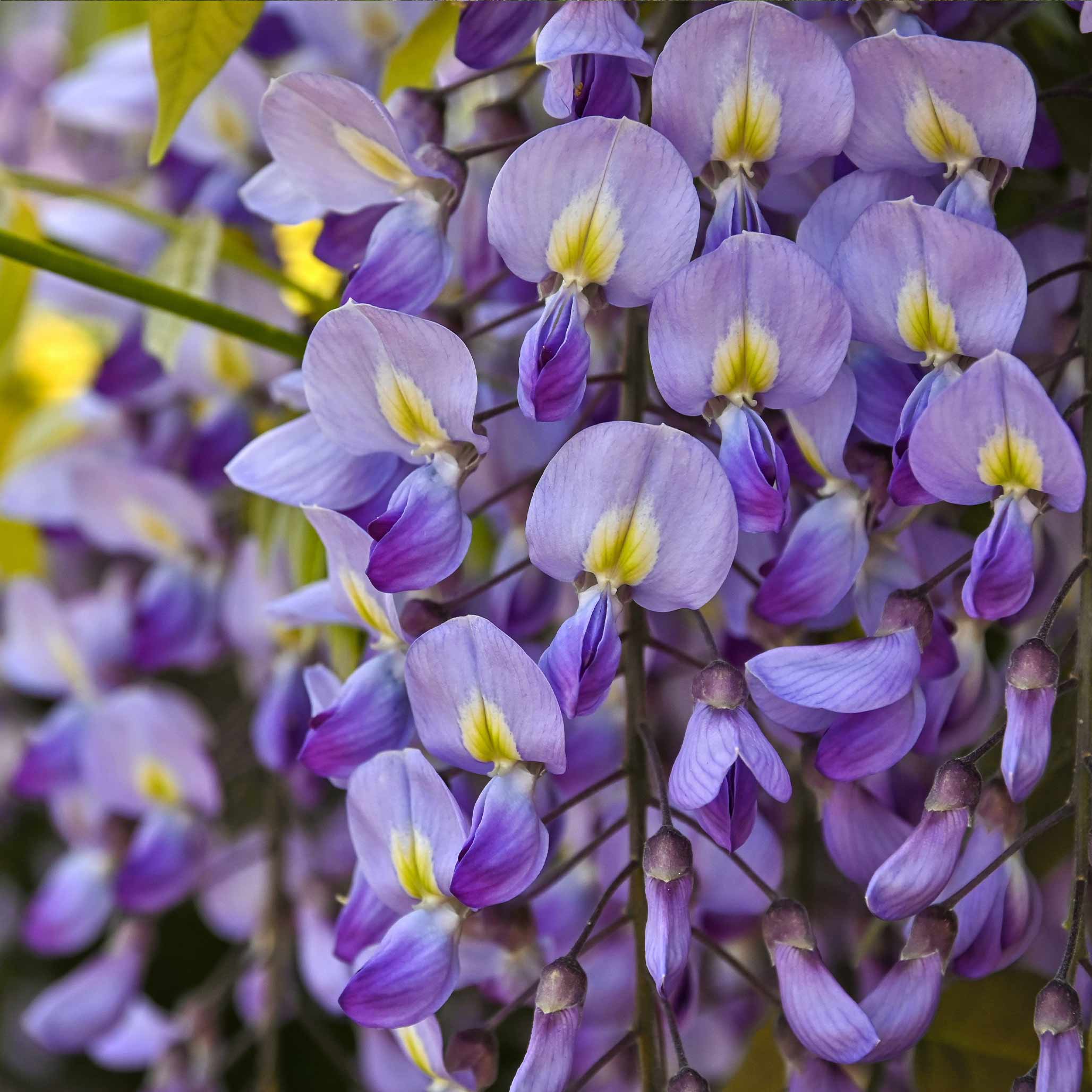
Blue Moon Wisteria (Wisteria macrostachya 'Blue Moon') holds a remarkable distinction: it is the most cold-hardy wisteria variety available, reliably hardy to zone 4 — a full zone colder than most other wisterias. Developed at the Minnesota Landscape Arboretum, it was specifically selected to survive brutal northern winters while still delivering the cascading lavender-blue flower clusters that make wisteria one of the most spectacular flowering vines in the world. Unlike Asian wisteria species, Blue Moon is a native American wisteria (W. macrostachya is native to the south-central US) with a well-mannered, non-invasive growth habit. And unlike most wisterias that bloom once, Blue Moon reblooms up to three times per season — in late spring, midsummer, and early fall.

Why Blue Moon Is the Premier Wisteria

  • Hardiest wisteria available — reliably hardy to zone 4; developed specifically for cold-climate performance; survives Minnesota winters
  • Reblooms up to 3 times per season — late spring, midsummer, and early fall bloom flushes; exceptional bloom duration compared to once-blooming wisteria varieties
  • Native American speciesWisteria macrostachya is native to the south-central US; non-invasive and ecologically responsible; will not escape into natural areas
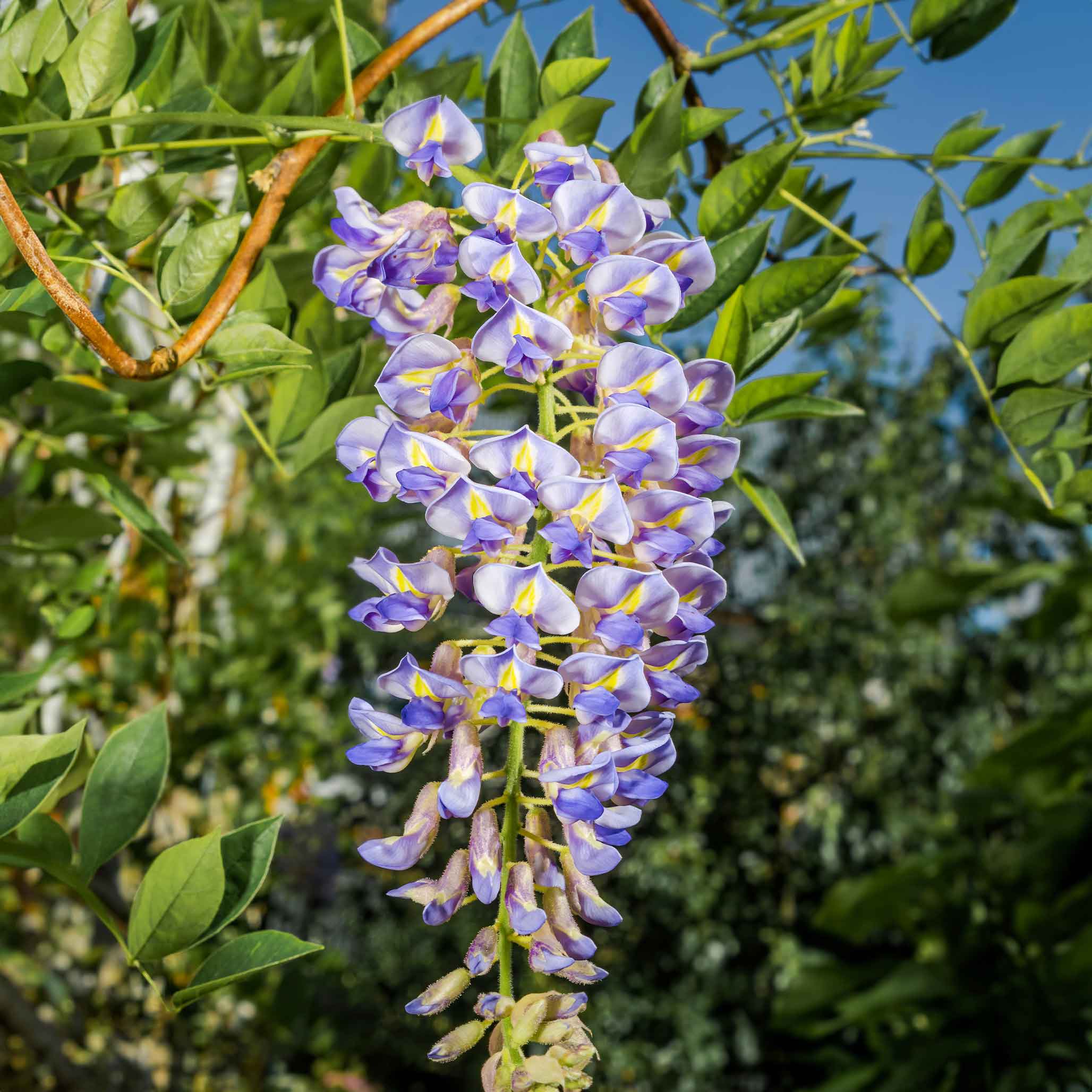
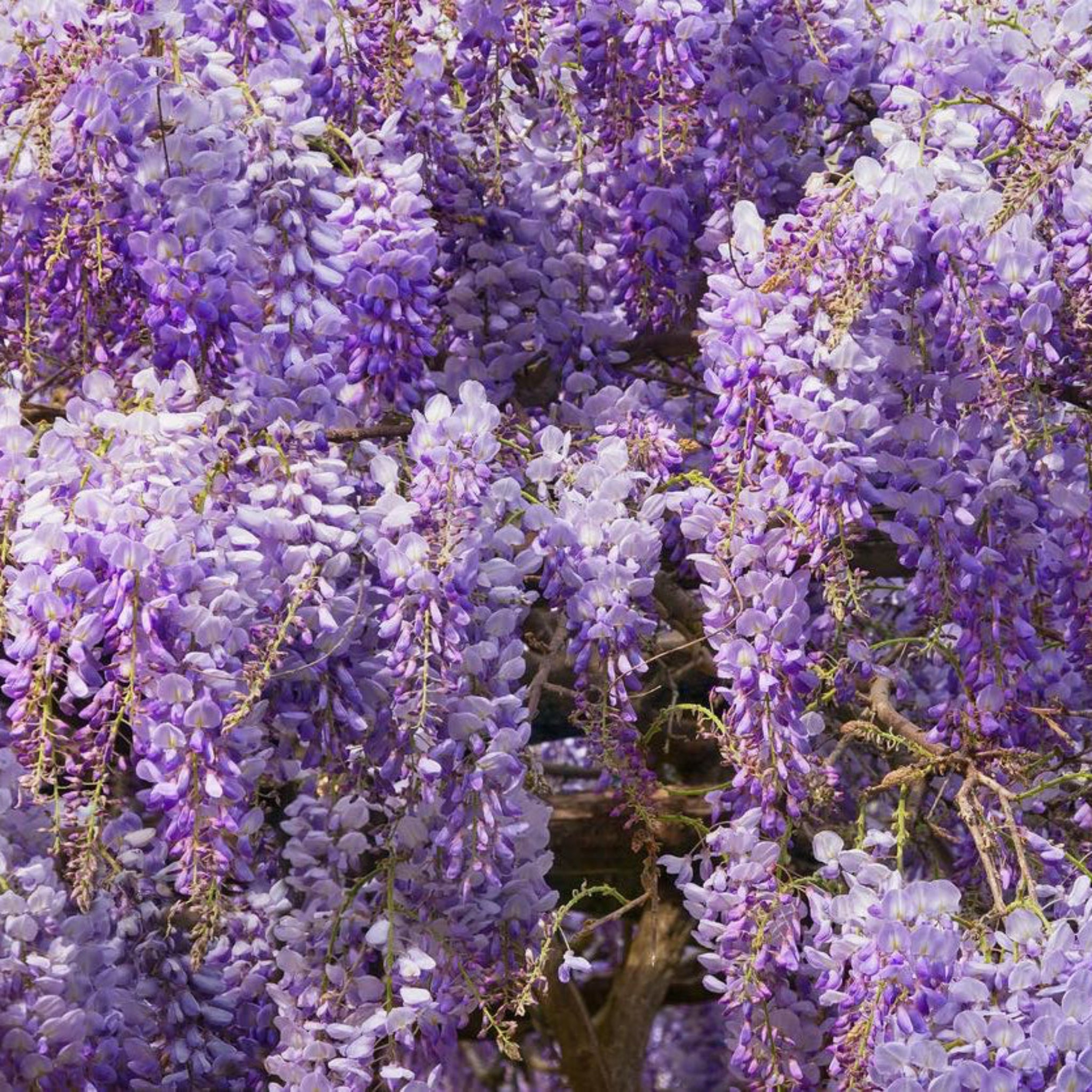
  • Fragrant lavender-blue flower clusters — dense, drooping clusters of soft lavender-blue blooms with a sweet, light fragrance
  • Faster to bloom than Asian species — typically blooms in 1–2 years from planting; Asian wisteria can take 7–10+ years
  • Manageable, non-invasive growth — vigorous but controllable; does not aggressively sucker or damage structures like Asian wisteria
  • Attracts pollinators — a significant nectar source for bumblebees, butterflies, and hummingbirds

Hardiness & Growing Zones

  • USDA Hardiness Zones: 4–9
  • Zones 4–5: The defining advantage of Blue Moon; fully hardy in-ground; may die back partially in the most severe winters but regrows vigorously; blooms on new wood so dieback does not prevent flowering
  • Zones 6–7: Ideal conditions; vigorous growth with prolific triple-season blooming
  • Zones 8–9: Thrives with consistent moisture; provide afternoon shade in the hottest climates; may bloom earlier (late winter–early spring) in the warmest locations
  • Sunlight: Full sun to partial shade (full sun produces the most prolific blooming; partial shade is tolerated but reduces flower count)
  • Soil: Adaptable to most well-drained soils; tolerates clay, loam, and sandy conditions; avoid waterlogged sites
  • Mature size: 15–25 ft long; easily maintained smaller with annual pruning
  • Bloom time: Late spring, midsummer, and early fall (May, July, and September in most zones)

Planting & Care Tips

Plant near a sturdy support structure — a mature wisteria is heavy and requires a strong trellis, arbor, or pergola. Full sun produces the most flowers; shade significantly reduces bloom count. Water regularly during the first growing season to establish roots. Fertilize lightly in early spring with a low-nitrogen fertilizer — excess nitrogen promotes foliage over flowers. Prune twice per year: once in late winter to remove dead wood and shape the plant, and again in midsummer after the first bloom flush to encourage the second and third rebloom cycles. Unlike Asian wisteria, Blue Moon does not require aggressive root pruning to induce blooming.

Available Sizes

  • 2–3 ft. (3 Gallon) — well-rooted young vine; most economical
  • 3–4 ft. (5 Gallon) — larger, more established vine; faster to first bloom; may flower first or second season after planting

Questions & Answers

Have a Question?

Be the first to ask a question about this.

Ask a Question
Vine of purple flowers with green leaves against a blue sky.  Henderson Garden Supply
Blue Moon Wisteria Sale price$ 119.95

You may also like

Recently viewed