Bing Cherry Tree – The World’s Most Popular Sweet Cherry
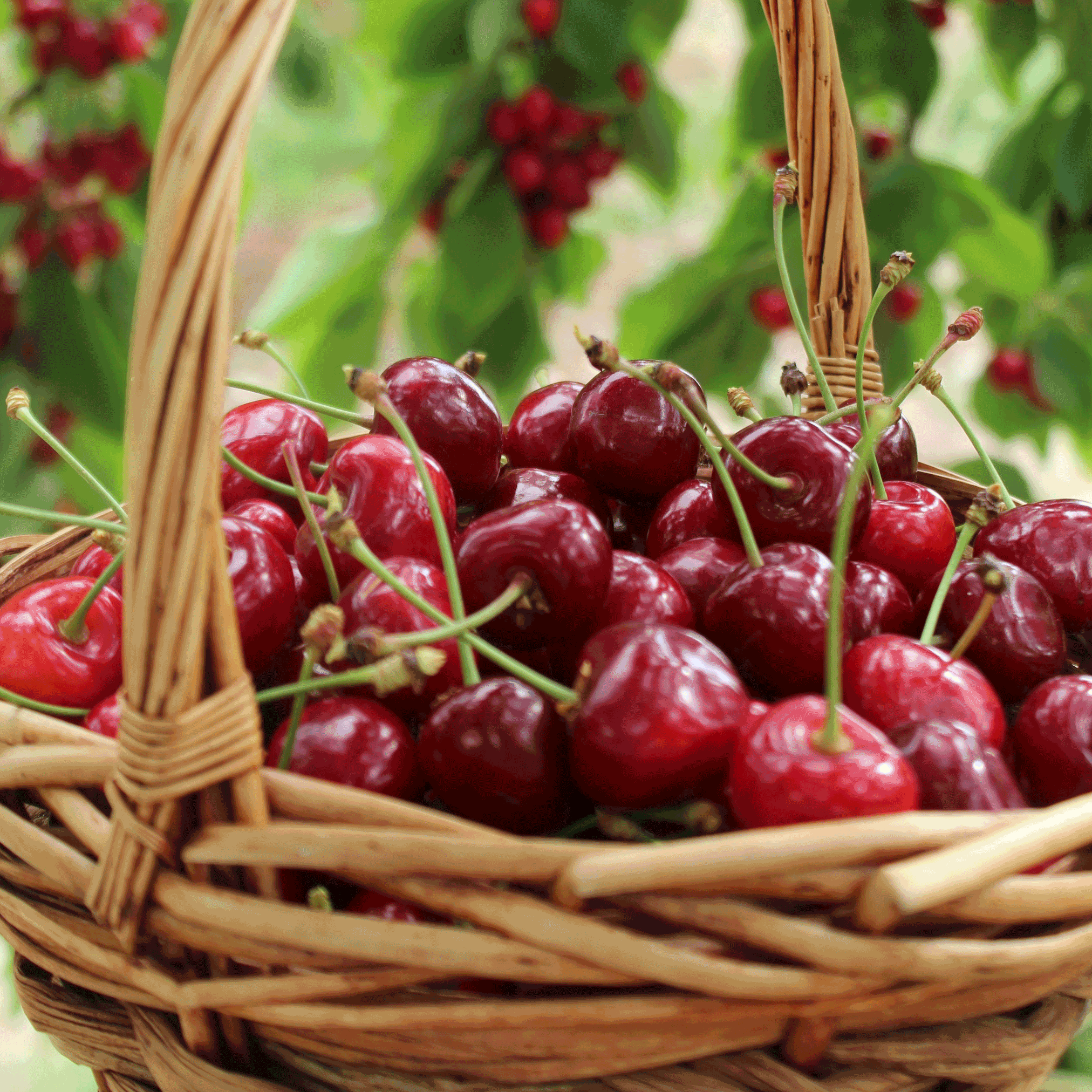
When people picture a perfect cherry, they’re picturing a Bing. The most widely grown and recognized sweet cherry in the world, Bing sets the standard for cherry flavor — large, firm, deep mahogany-red to near-black fruit with rich, sweet, intensely flavored flesh that’s as good fresh off the tree as it is in pies, jams, and preserves.
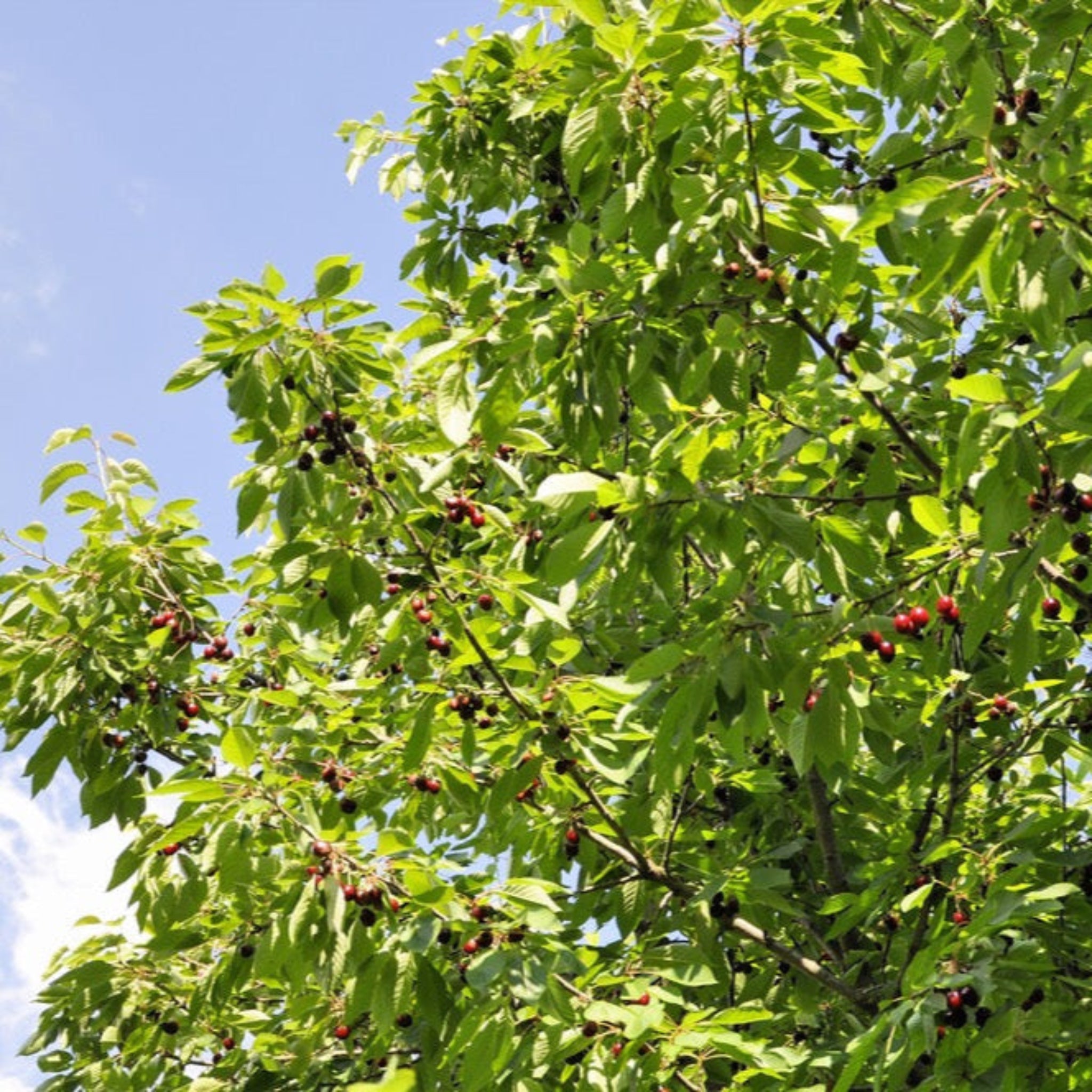
Our Bing Cherry Trees arrive at 3–7 feet tall — established, healthy, and ready to fruit sooner than bare-root alternatives. Choose a single tree or upgrade to a Pollination Pack with Black Tartarian for a complete, high-yielding cherry orchard in one purchase.
Why You’ll Love the Bing Cherry Tree
-
World’s Most Popular Sweet Cherry: The benchmark variety — what most people think of when they imagine a perfect cherry
-
Exceptional Flavor: Large, firm, deep red to near-black fruit with rich, sweet, intensely flavored flesh and a small pit
-
Heavy Producer: Abundant, reliable crops of large cherries once established and properly cross-pollinated
-
Mid-Season Harvest: Ripens in mid-June to early July — the heart of cherry season
-
Stunning Spring Blooms: Masses of fragrant white blossoms in early spring — one of the most beautiful flowering fruit trees available
-
Vigorous Growth: Strong, upright grower that establishes quickly and fruits reliably year after year
Single Tree vs. Pollination Pack
Sweet cherry trees, including Bing, are not self-fertile and require a second compatible variety nearby for fruit production. Without a pollinator, a Bing tree will produce little to no fruit — this is the most important thing to know before purchasing.
Our Pollination Pack pairs Bing with a Black Tartarian Cherry Tree — one of the best pollinators for Bing and itself an exceptional early-season sweet cherry. Together, they cross-pollinate perfectly and deliver two distinct, delicious cherry harvests: Black Tartarian in late May–June, followed by Bing in mid-June–July.
Growing Zones & Care Guide
-
USDA Hardiness Zones: Best suited for Zones 5–8. Bing requires 700–900 chill hours (hours below 45°F) to break dormancy and set fruit reliably. It thrives in cool-winter, mild-summer climates — the Pacific Northwest, Mountain West, and parts of the Midwest and Northeast are ideal.
-
Zone 4 (With Protection): Possible in sheltered microclimates with winter mulching. Late spring frosts can damage blossoms — site on a slight slope or elevated ground to improve cold air drainage.
-
Zones 9–10: Bing’s high chill hour requirement makes it poorly suited for warm-winter climates. Low-chill cherry varieties are a better fit for Zones 9–10.
-
Sunlight: Full sun — 6–8 hours of direct sunlight daily for best fruit set, size, and sweetness.
-
Watering: Deep, consistent watering during the growing season, especially during fruit development. Consistent moisture prevents fruit cracking — one of the most common Bing cherry problems. Reduce watering after harvest. Avoid waterlogged soil.
-
Soil: Well-draining, loamy soil with a slightly acidic pH (6.0–7.0). Sandy loam is ideal. Avoid heavy clay or low-lying areas prone to standing water.
-
Fertilizing: Apply a balanced fruit tree fertilizer in early spring before bud break. Avoid excess nitrogen after mid-summer, which can delay hardening before winter.
-
Pruning: Prune in late winter to an open vase shape to improve airflow and light penetration. Remove any crossing branches and water sprouts. Good airflow significantly reduces brown rot pressure — the most common cherry disease.
-
Fruit Cracking: Bing cherries are susceptible to cracking from rain during ripening. Consistent soil moisture throughout the season reduces the pressure differential that causes cracking. Harvest promptly when ripe.
-
Harvest Window: Mid-June through early July. Harvest when fruit is fully colored, firm, and sweet — taste-test before picking. Cherries do not ripen further after harvest.
Complete Your Cherry Orchard
Pair your Bing with a Black Tartarian Cherry Tree — one of the earliest-ripening sweet cherries and one of the best pollinators for Bing. Black Tartarian’s late May–June harvest perfectly precedes Bing’s mid-June–July peak, giving you a continuous cherry season across two of the finest sweet cherry varieties you can grow.
The world’s most popular sweet cherry, grown in your own backyard — the Bing Cherry Tree is the classic, iconic choice for any home orchard.